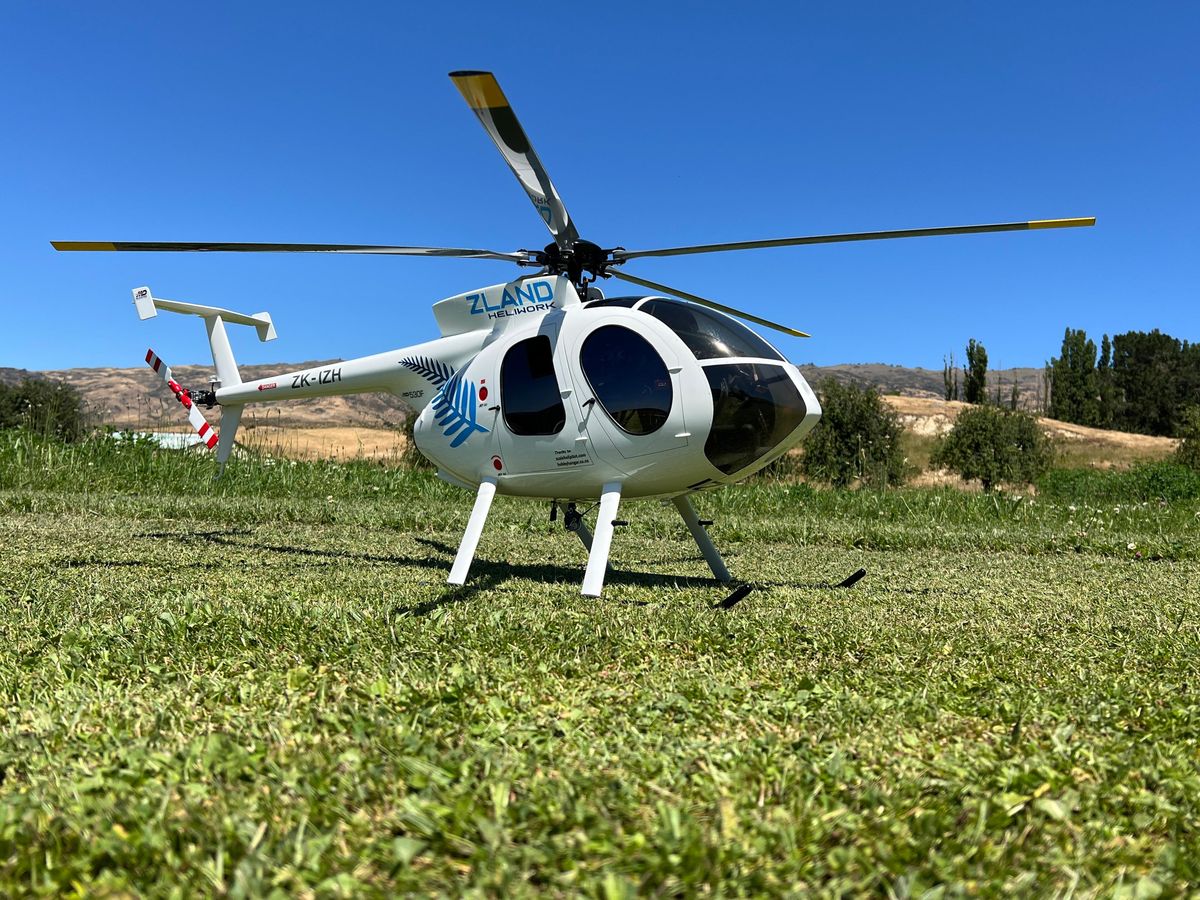

Cg & weight matching Multi blades
A method of matching CG and weights of a multi blade set.
Aim: To separate CG and weight matching into 2 separate processes where I wanted to be adding tape etc to root ends only where other methods require the possibility of having to add tape to the tip end in the overall process.
"Weight matching" the set is simply done last using a digital gram scale and adding tape accurately to the final CG marks of blades thereby adding weight to the blade to match to the heaviest blade without changing the CG.
This does mean some blades will have weight both at root and CG and it could be that the overall weights are somewhat heavier than other methods as a result - but I consider this to be an insignificant issue in favour of the simpler process and result of clean blade tips, which has been working well for me.
1. I use the Koll balancer which uses the rod and bolt to secure the position of the blade on the tray.
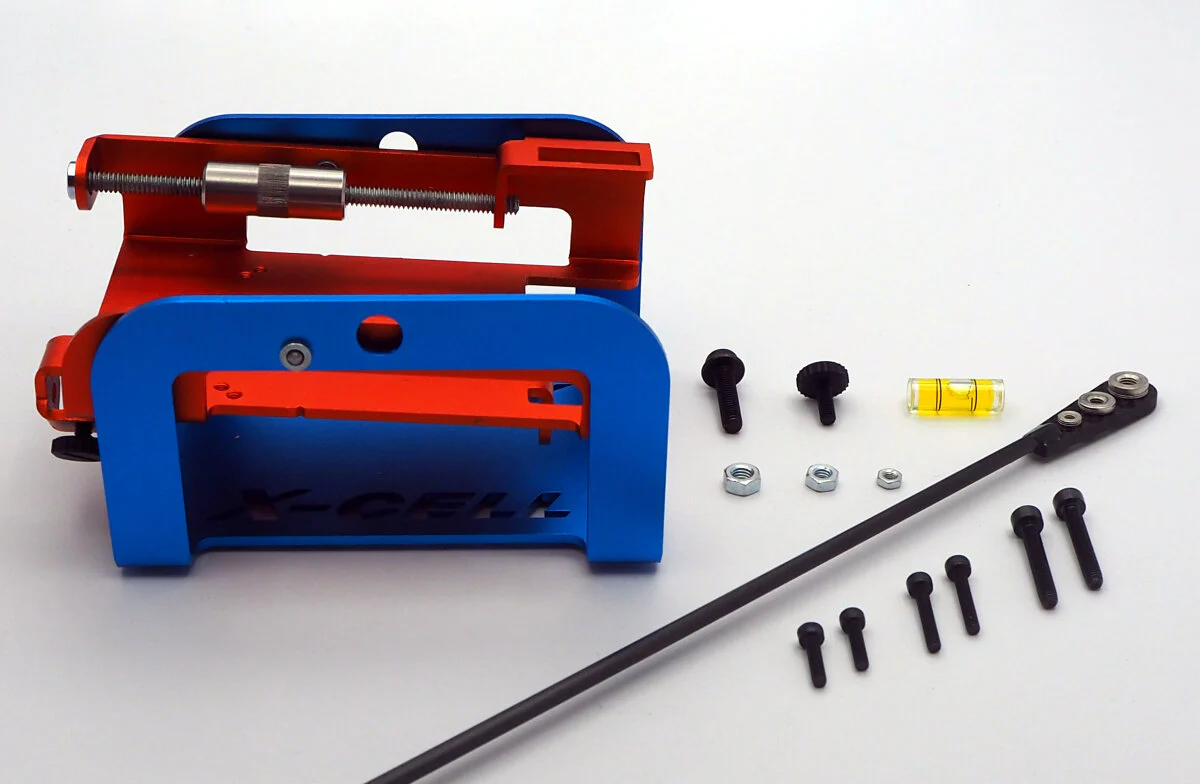
2. Set up balancer on level surface and set the bubble level to center.
3. This step is only to determine which blade is the root heaviest. Set each blade bottom side down and leading edge up against tray without rod and bolt at this stage.
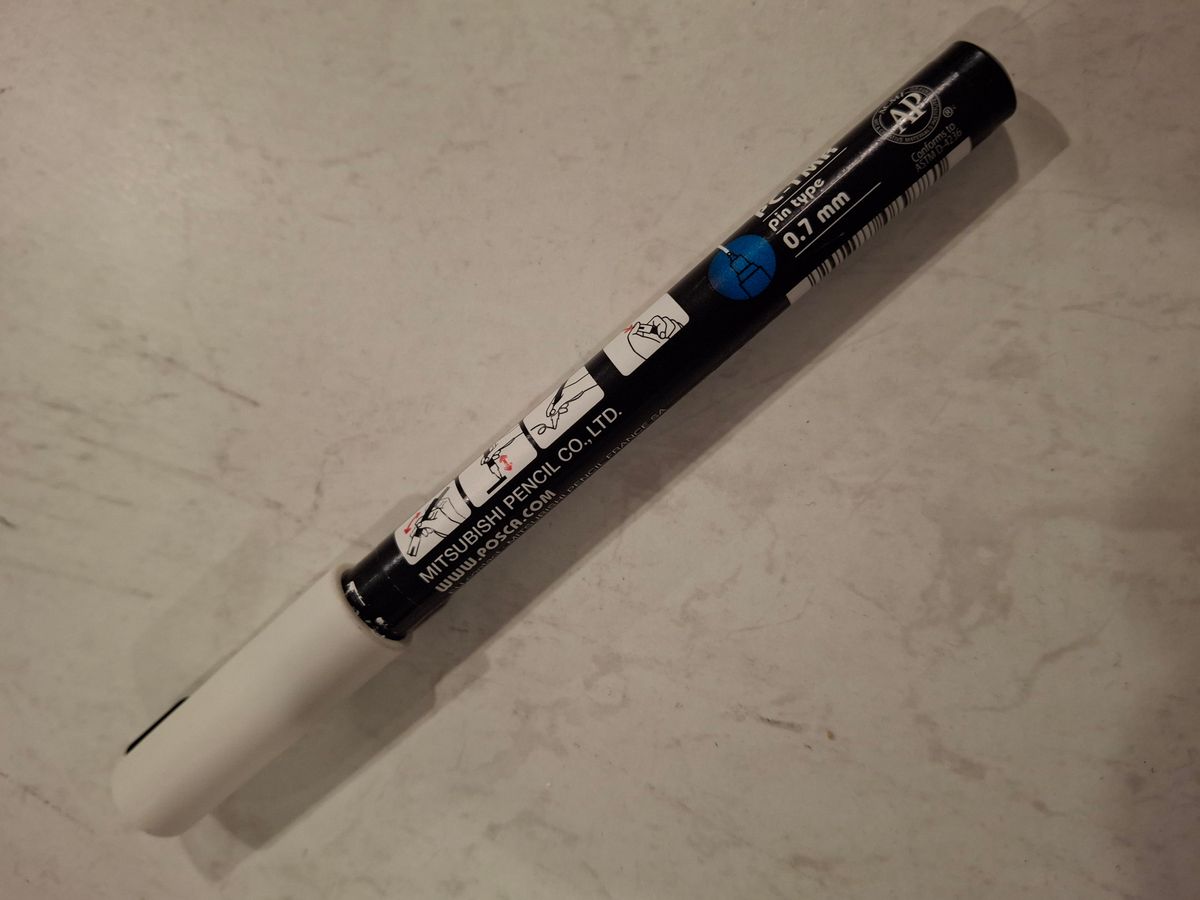
4. Because these blades are black, I use a .7mm white marker to "dot" the underside of each blade utilising the handy "V" cut into the Koll tray base.
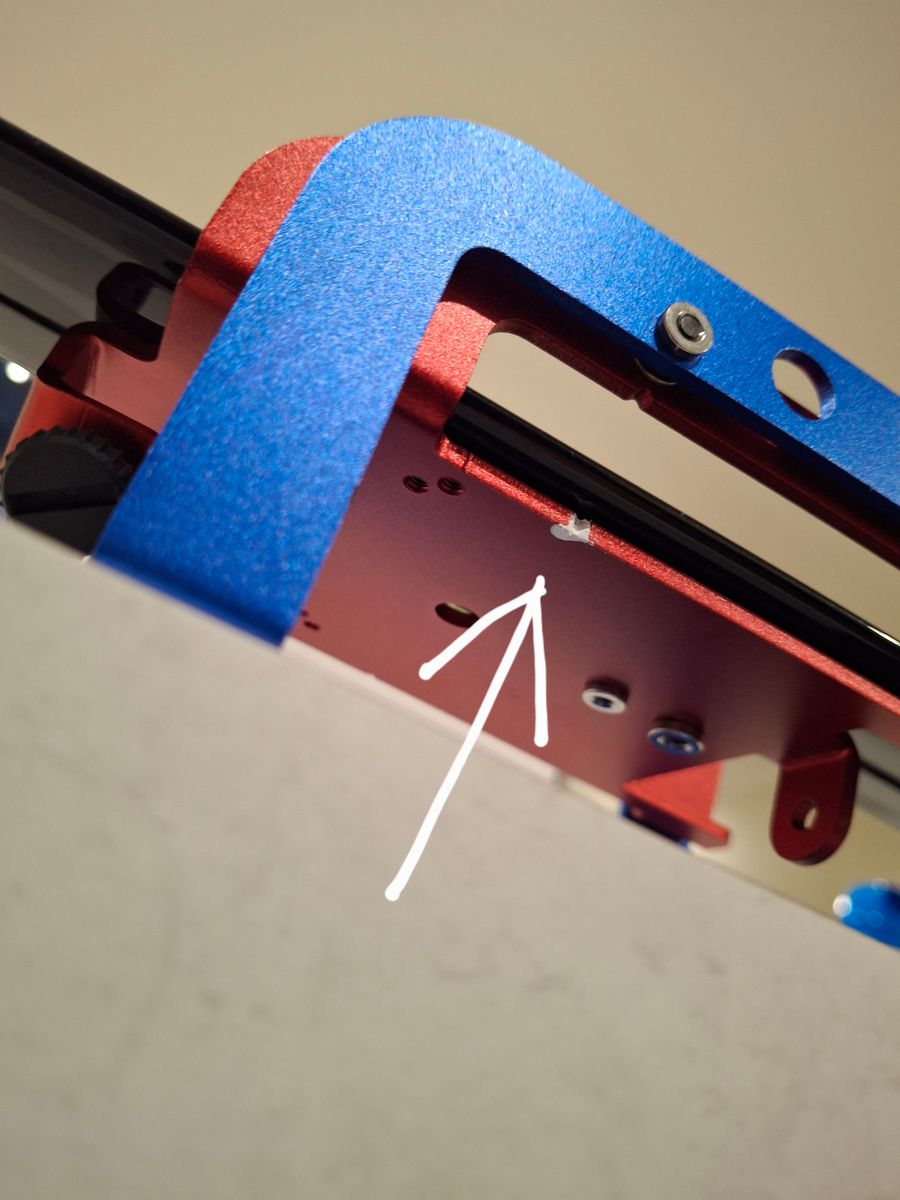
5. Then place all blades bottom side up on a table and use a plastic square to accurately align all blades to determine which blade is the root heaviest by observing which white dot is closest to the root. This will be the blade I set up on the balancer this time with the rod and bolt to "set" the rod.
The difference here is to invert the blade so that the bottom is facing up, because I then will add weight to the bottom side only and 1/3 in from leading edge to maintain chord wise CG. Tape or whatever medium to be sized and put on at the root end to achieve level at the bubble to complete the CG matching of the other 4 blades.
The rod and bolt in the Koll balancer is a benefit where you can go about adding weight to the other 4 blades without disturbing the blades position on the tray. Once you have all 4 blades matched to the one you set the rod to, this step is complete and the CG will be in an identical position on all 5 blades.
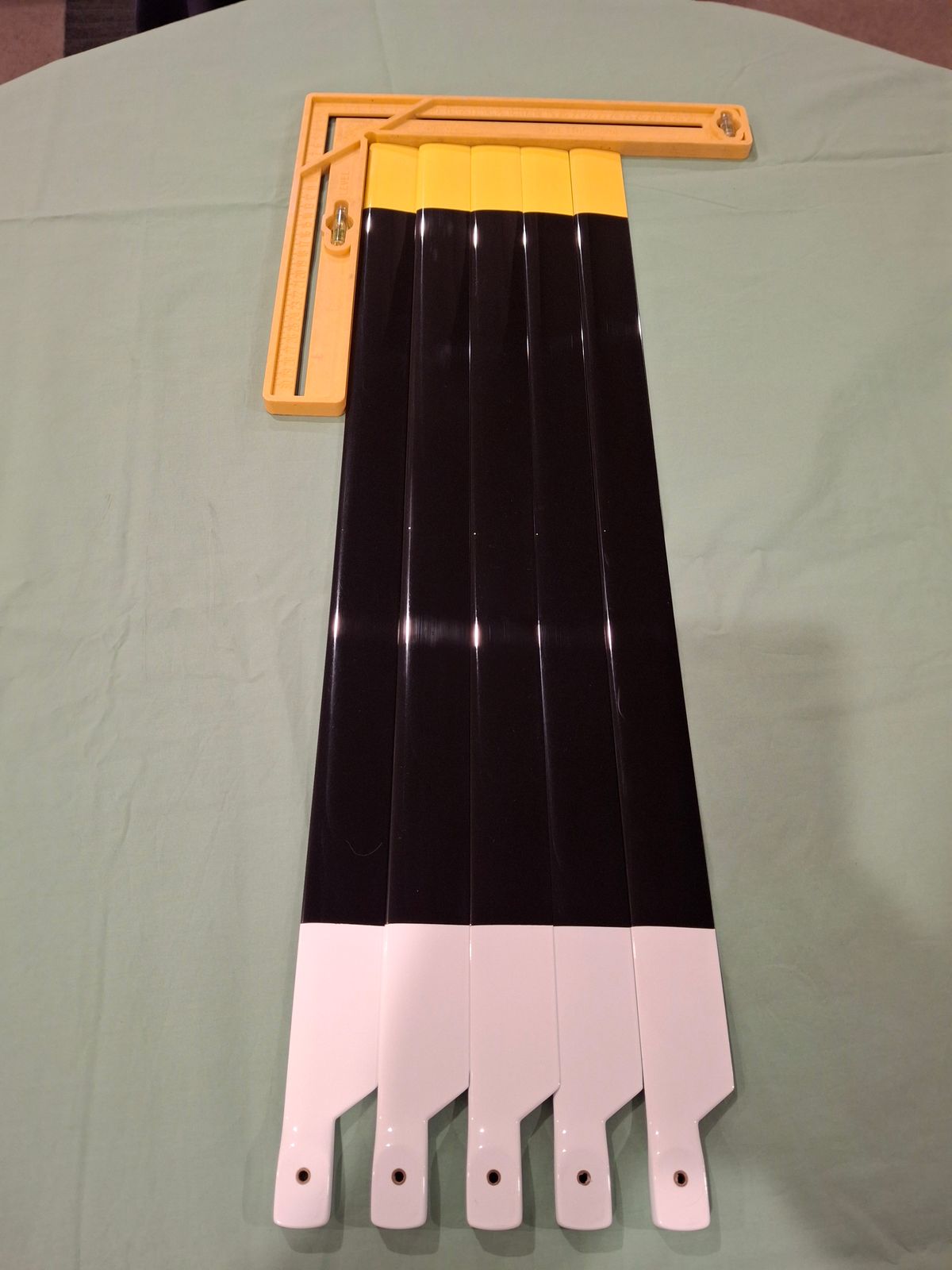
6. Weight Matching.
* Firstly, some careful explanation is needed here which is not obvious in the Koll instructions found on line. Using the rod and bolt (due to the weight of) shifts the CG toward the root and therefore marking the CG at this point is not the actual CG. However for the purposes of matching CG, marking blades during this process it is not relevant nor needed.
What is relevant in my method, is then in order to add weight (tape etc) to the CG to raise weights to match the heaviest blade, we need to find the ACTUAL CG without the weight of the rod and bolt involved.
1. Remove white marker dots originally used only to determine root heaviest blade.
2. Using a digital scales that can measure to .01 gm, weigh all blades and write them down.
3. Check bubble is level in balancer, place heaviest blade in balancer (without rod and bolt) top side up and leading edge towards you and get bubble level.
4. White dot mark the underside using the V at the bottom.
5. Line up all blades bottom side up, (same as before) on table and use the square accurately to align the white dot of heaviest blade to mark the other 4.
6. This is the actual CG on which to now add tape exactly to centre of this mark and 1/3 in from leading edge (in effort to maintain chord wise CG) to raise weight to match the heaviest blade. repeat for the other three.
You have now matched the overall weights of blades without shifting the CG as previously matched.
Conclusion and disclaimer:
This is simply a method I worked out that works for me and thought it might be useful here as an article.
I welcome any comments and improvements on this, as the better matched the multi blade sets are the smoother the heli will be - particularly on the more common "hard heads" that have zero damping by design.
Regards,
Scott.