

How to build a Helicopter Refueling System
 Uwe B.
From the idea to the prototype
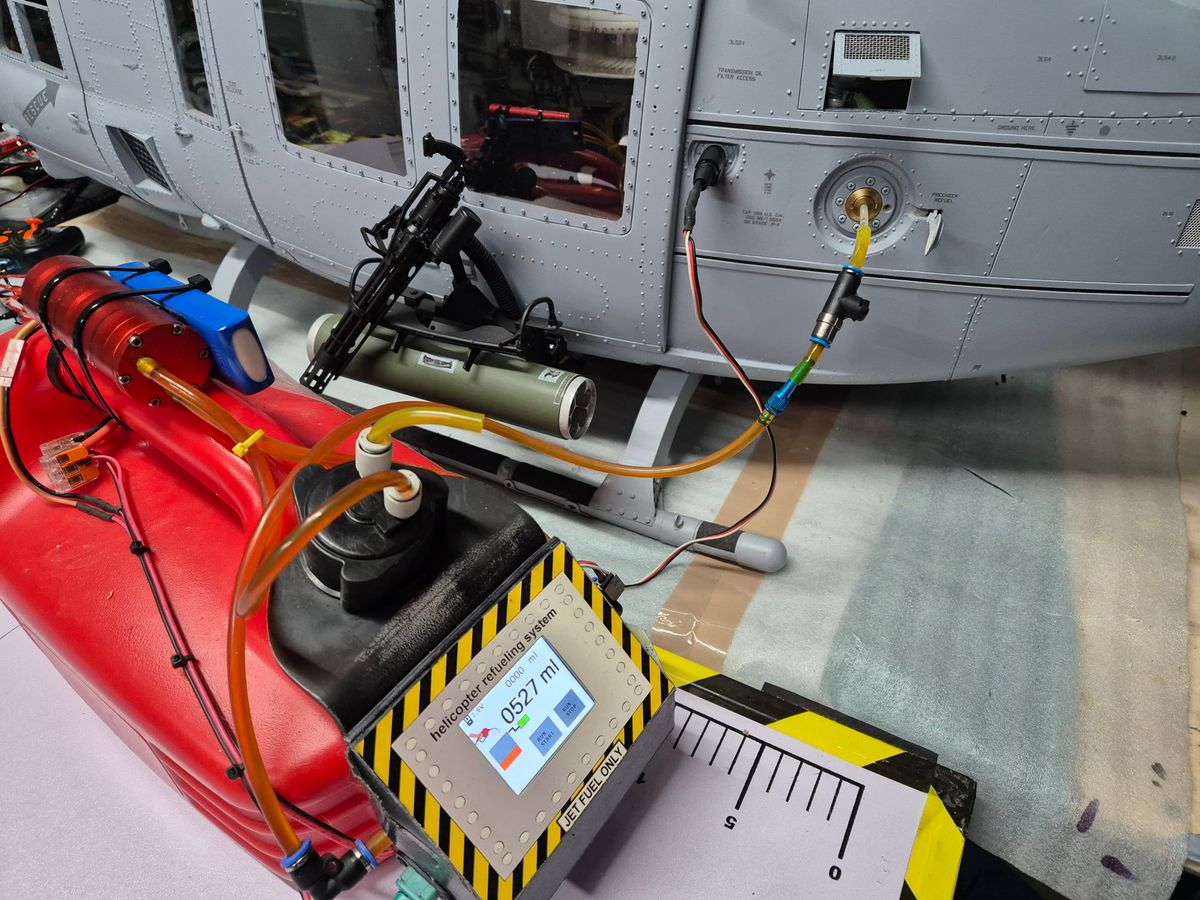
After all, refueling turbine helis should also be fun. It's just a prototype but actually works
Here I would like to present my latest project for reliable people who enjoy building it themselves. An RC Fuel Station on the one hand, but then maybe one with an automatic switch-off and measuring device are rarely found. Whether you need it is up to you? But because I can't really see how much I've fueled with some helis, e.g. scale helis, the idea arose to develop and build something myself.
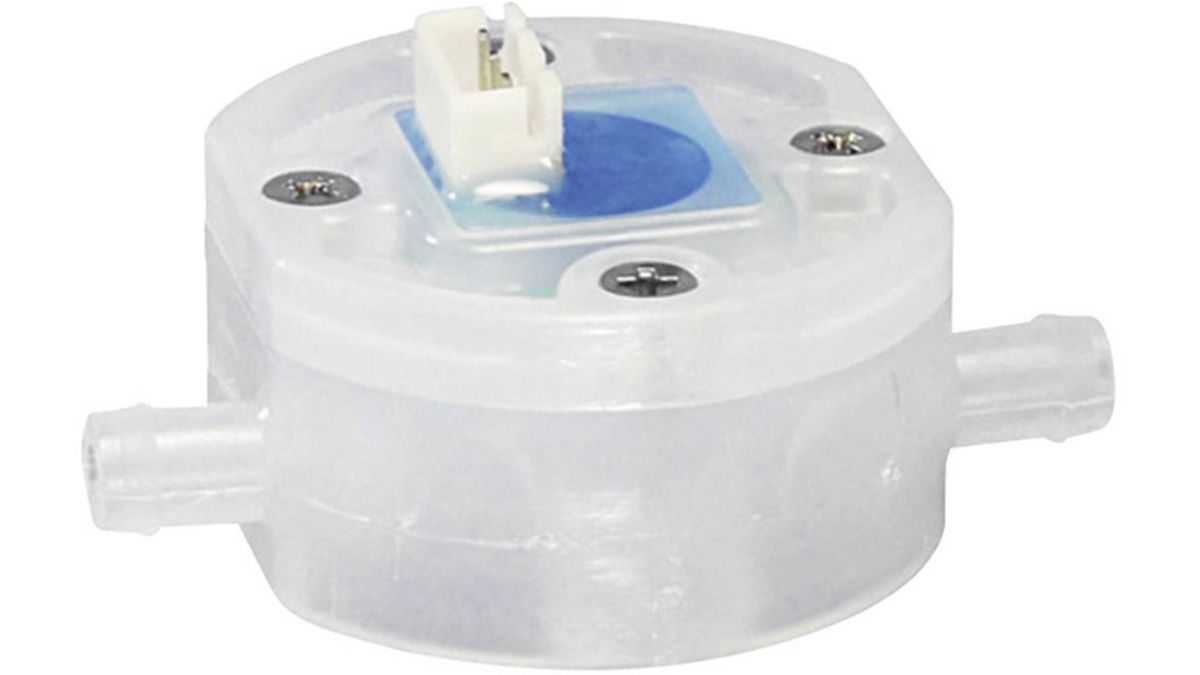
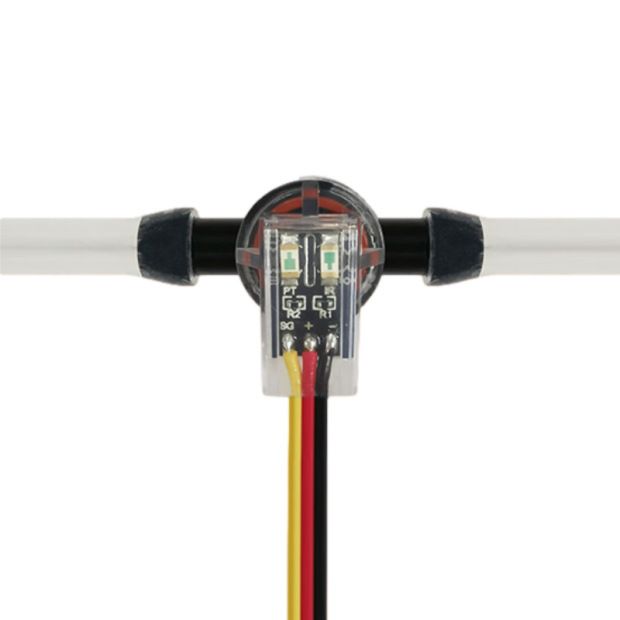
Turbine and paddle wheel flow meter
The focus of this application is the turbine and paddle wheel flow meter.
When choosing it, it was very important to me that it has a high level of accuracy and is resistant to diesel, oil and fuel.
The flow meter I use has a flow range of 0.05 -3.0 L/min and the repeatability of frequency response is +-0.5% (at the same operating condition).
Its port connections are two barbed tube fittings: 6mm.
It works with 5-24V VDC and delivers a signal of 2,500 Imp./L to its 3-pin electrical connection.
The necessary signal processing
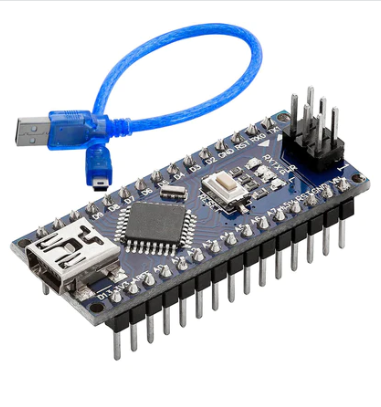
The Arduino Nano, which is already well known in the RC scene, takes care of the necessary signal processing.
It's a nano-sized microcontroller board. It consists of the actual microcontroller, digital inputs and outputs and analog inputs.
For example, LEDs, loudspeakers, displays, motors or sensors can be connected to these inputs and outputs. The microcontroller can control all of these components, read signals and trigger various actions based on the data read.
If you want to know more about it, you can find out more in hundreds of forums or look it up at wikipedia.org.
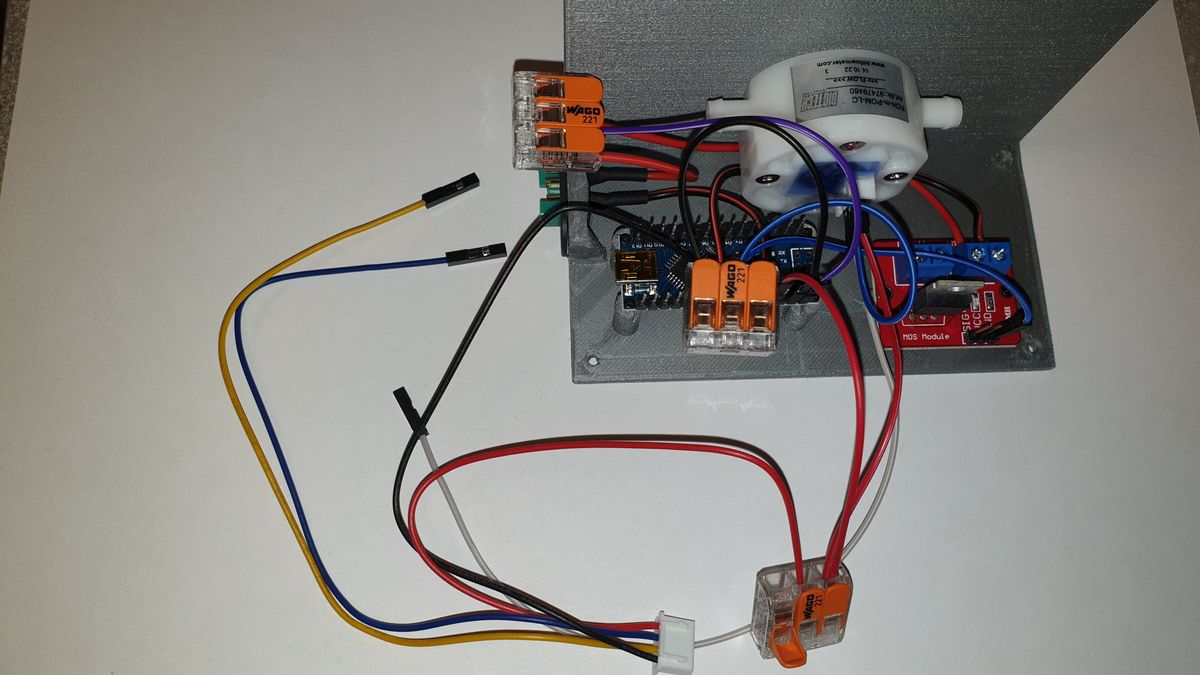
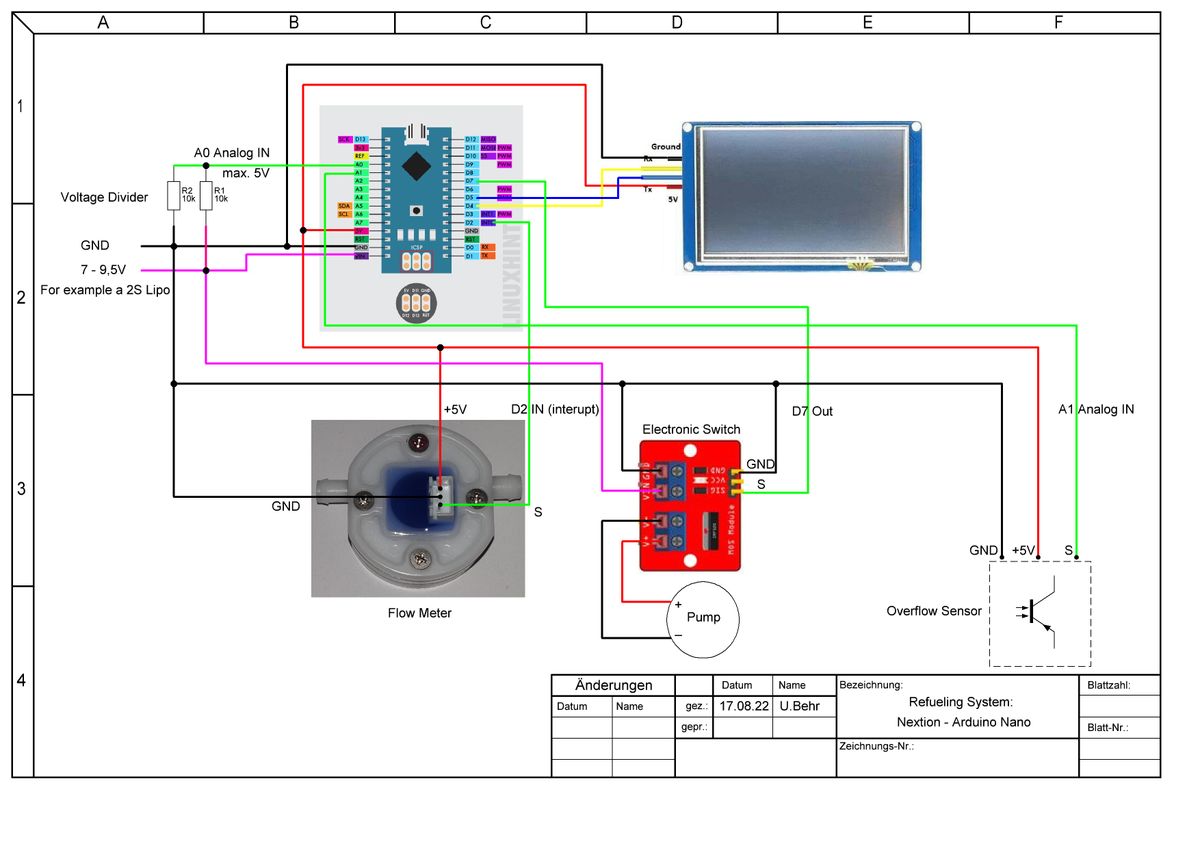
But I will only show how it is connected and wired for this application
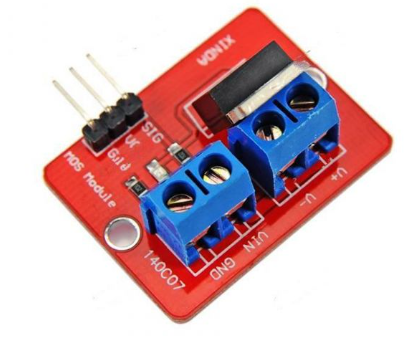
A small electronic switch that can turn the pump on and off
It is freely selectable which pump is used here.
However, because of the specification of the sensor, the operating pressure should be between -0.7 and 4 bar.
I connected my commercial gear pump that can be operated with a 2S Lipo.
For this reason I needed a small electronic switch that can turn the pump on and off. It is very cheap but can do a lot more.
Description:
The original IRF520 power MOS can adjust the PWM output. Can drive the Arduino a voltage up to 24V, such as LED lights, DC motors, pumps, solenoid valves. Adjusted PWM can achieve stepless LED dimming.
Details:
• Voltage: 3.3V, 5V
• Connections: digital level
• Output load voltage: 0-24V
• Output load current 1A only with heat sink!!
Integrate the Nextion Display.
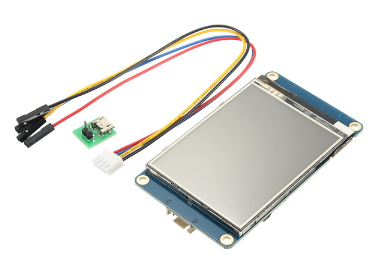
Nextion is a Human Machine Interface (HMI) solution. Nextion displays are resistive touchscreens that makes it easy to build a Graphical User Interface (GUI). It is a great solution to monitor and control processes.
My Nextion display module, has a size from 2.4”
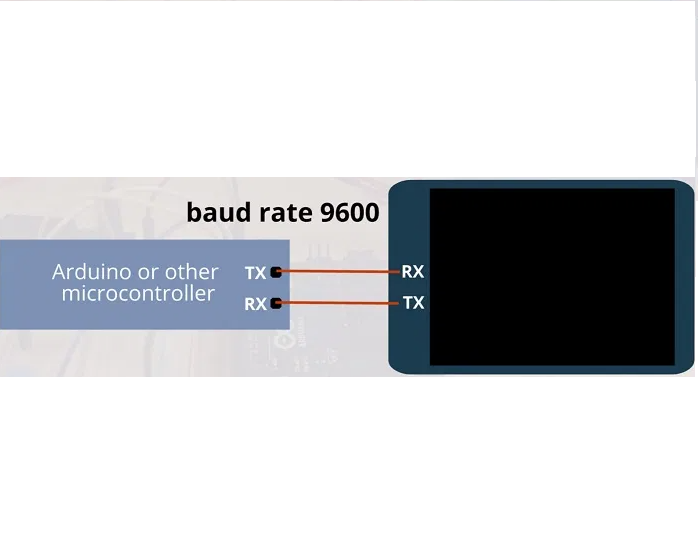
The Nextion has a built-in ARM microcontroller that controls the display, for example it takes care of generating the buttons, creating text, store images or change the background. The Nextion communicates with any microcontroller using serial communication at a 9600 baud rate.
So, it works with any board that has serial capabilities like Arduino.
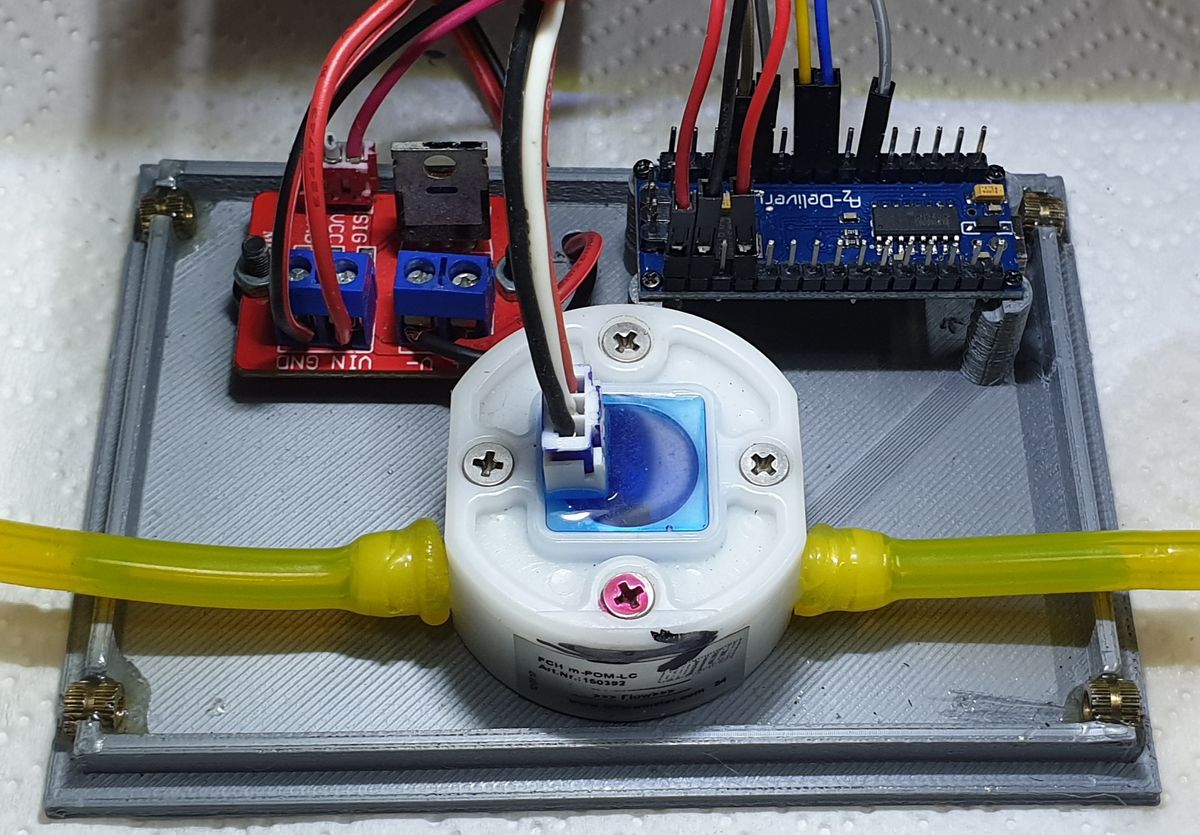
Interconnection of the individual components
Now all you have to do is connect the units together.
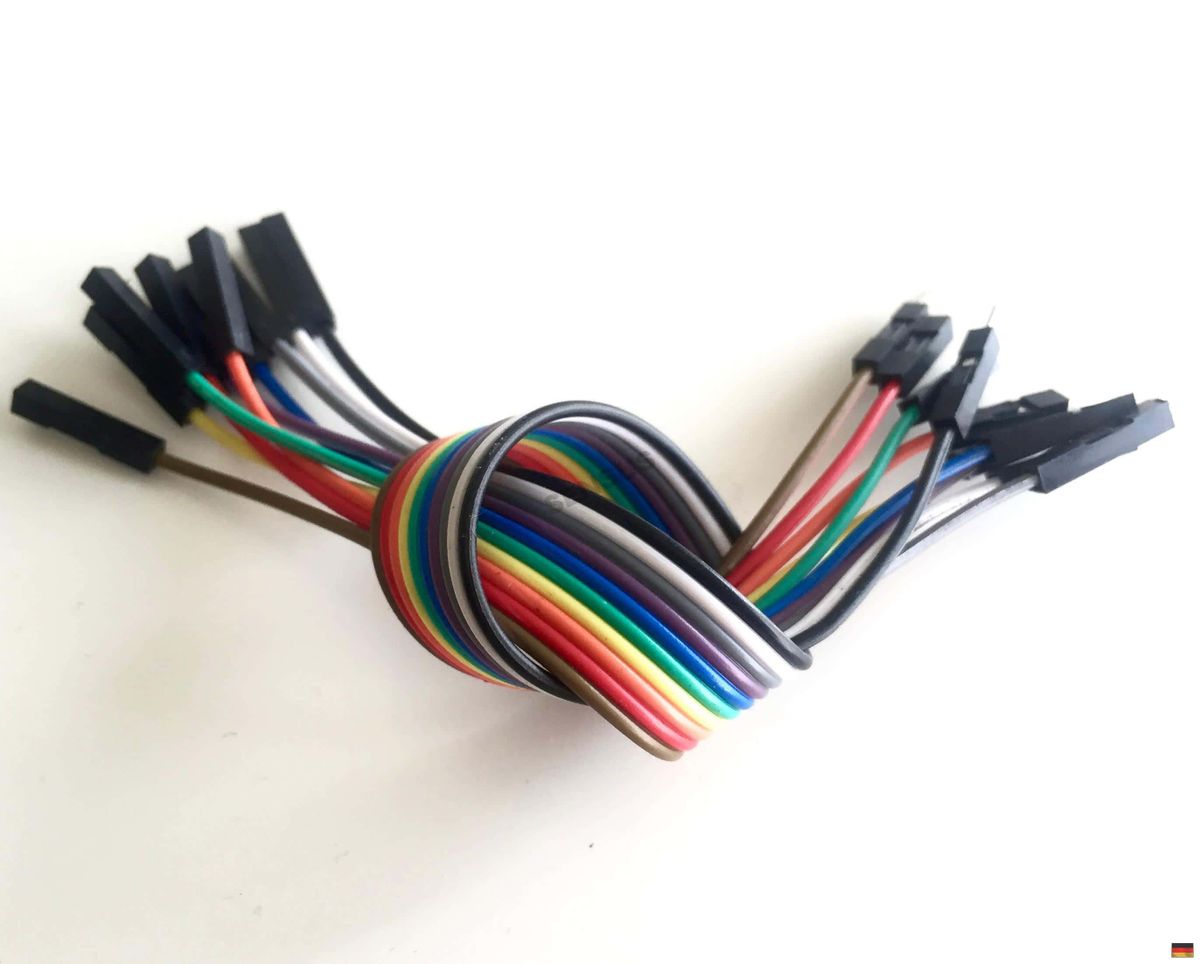
I used jumper wire cables because they are very suitable.
The many different colors make it easy to understand and build circuits.
For this reason, I used different colors for the respective connections in the electrical circuit diagram.
-->
 helistorm.comHeliStorm Community - Bringing students to aviation through scale radio control helicopter flight.HeliStorm 2025 is a first-of-its-kind helicopter industry recruiting event designed to bring students, educators and industry professionals together in one forum with scale RC helicopters operating as an inspiration and bridge to careers in the industry.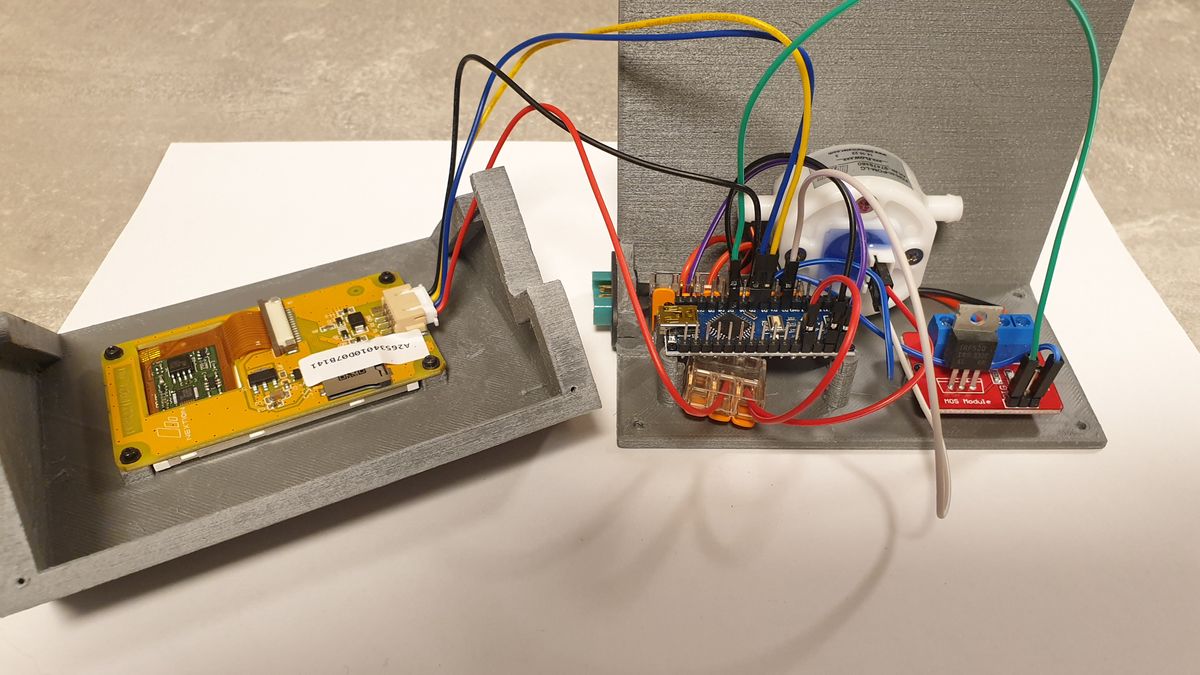
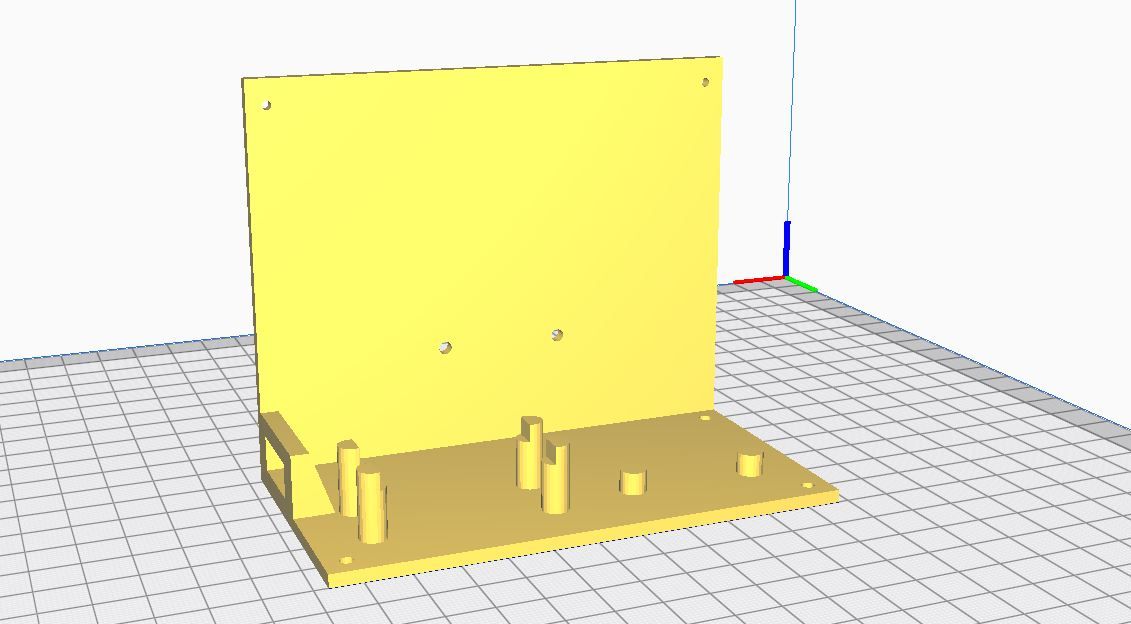
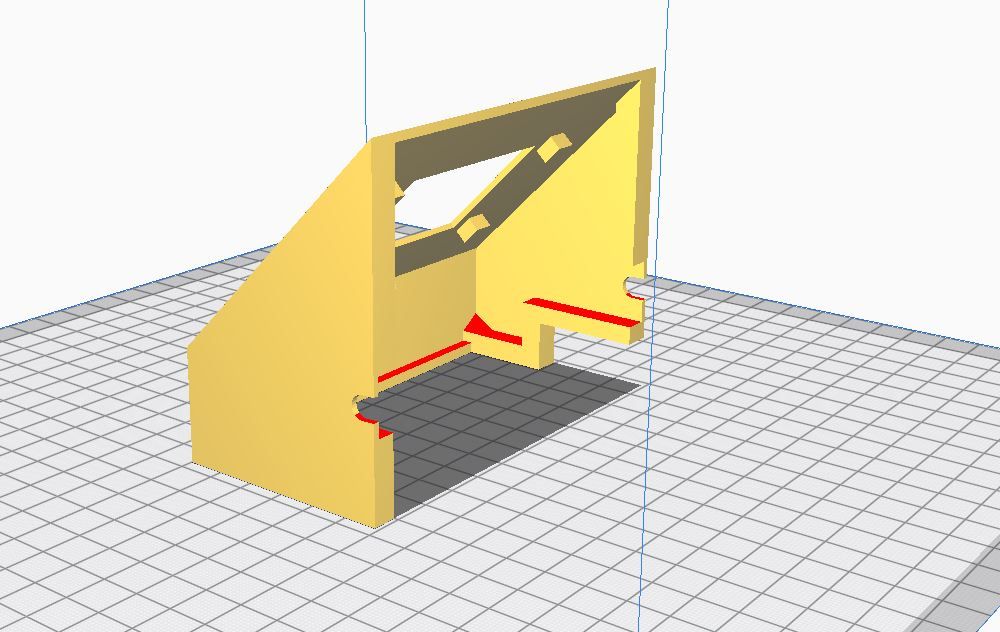
Put it in a box
All components should of course also get a simple but user-friendly home.
A 3D printer can produce them inexpensively and in a reasonable amount of time.
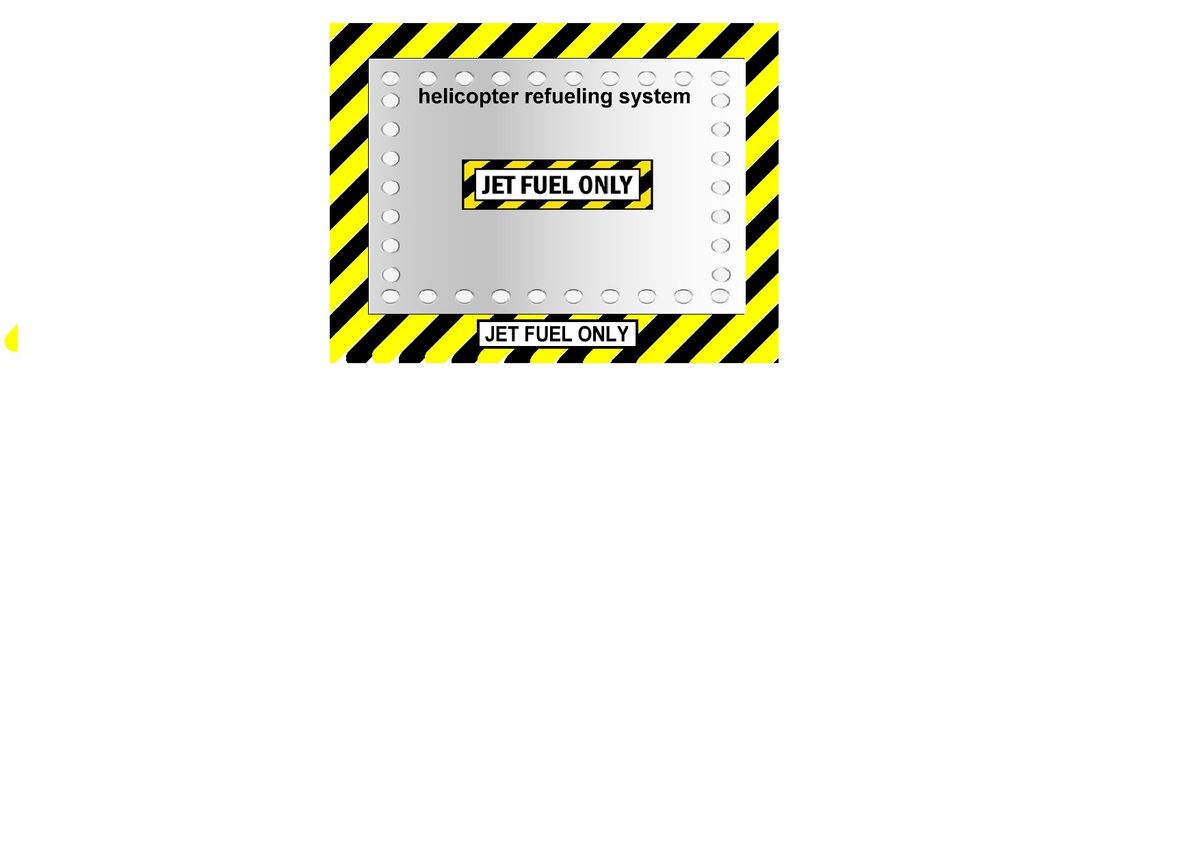
The design can be upgraded with a printout on self-adhesive photo paper. This should only be sealed with a clear coat.
-->
-->https://scalehelipilot.com/file-posts/d9b53d90-243e-4afb-ba3e-2efd7...
-->https://scalehelipilot.com/file-posts/bf63a5a2-eb99-47b1-b074-96aa2...
helistorm.comHeliStorm Community - Bringing students to aviation through scale radio control helicopter flight.HeliStorm 2025 is a first-of-its-kind helicopter industry recruiting event designed to bring students, educators and industry professionals together in one forum with scale RC helicopters operating as an inspiration and bridge to careers in the industry.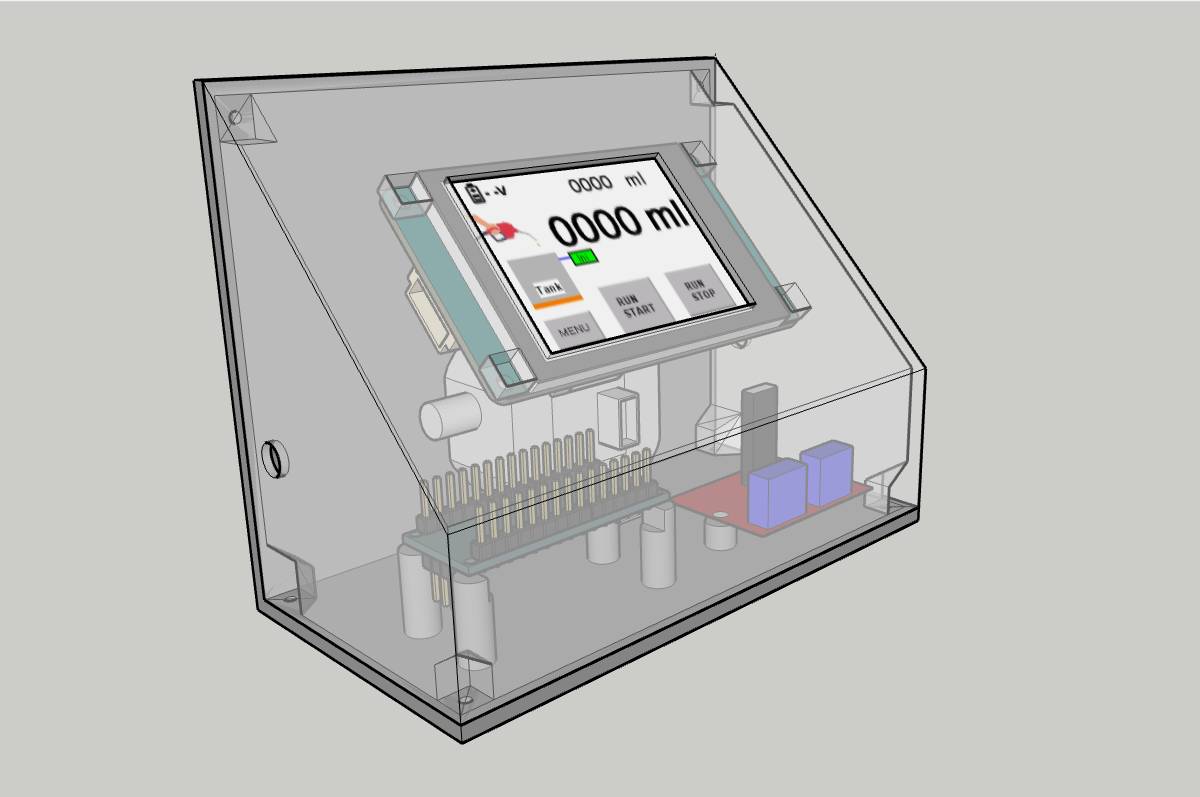
Liquid Level Sensor
After a long search I found a suitable level sensor.
The specifications were:
Contactless
no immersion
robust
Reliable
adjustable
easy to install
relatively cheap
The first field tests with the XKC-Y26-V Liquid Level Sensor look very promising.
Advanced functionality
I have expanded the functionality of the fuel station with a simple hose sensor. Here is a video of a test run:
Long-term testing and regular use
In total, around 60 liters of kerosene have now been pumped out of the filling station. A very reliable unit that I would never want to be without.
14 Comments
I MUST have one of these!! Do you sell them? If not, can you list the components? I like the design too.
First of all, I want to present a construction manual and of course the parts list as well. I'm still looking into the possibility of offering a kit.
When you do, let me know so we can review and promote it!!
I Like.
I'm going to buy these parts, which is also a DIY set. It's great. Thanks for sharing.
Impressive work. I'm excited in following your progress.
is it possible to ad a preassure sensor for tankbags ?
That would certainly work too. The Arduino has even more inputs. Here you only have to choose whether it should be a digital or an analog pressure sensor.
I can't find the right pressure sensor for this application,do you have a hint ?
I'll research what's available on the market
Uwe, did you find any fitting pressure sensor?
Most interested!
Uwe, Thank you. In Ch 2 you noted “ The flow meter I use has a flow range of 0.05 -3.0 L/min and the repeatability of frequency response is +-0.5% (at the same operating condition)”. Can I assume this accuracy is representative of the total volume delivered over time?
I might consider building one using your data. If so, how can one reimburse you for your efforts? Are you considering selling them as a kit?
Thomas, the accuracy is described in the manufacturer's data sheet. I can also say that it is absolutely reliable. You can draw good conclusions from the amounts of fuel refueled after each flight.
I don't offer it as a kit. But you can send me a PM. I'm sure we can find a good solution.