
The Box in Your Hands
Your transmitter is the one piece of gear you will keep through every model you ever own. Choose it like you mean it.
How Many Channels?
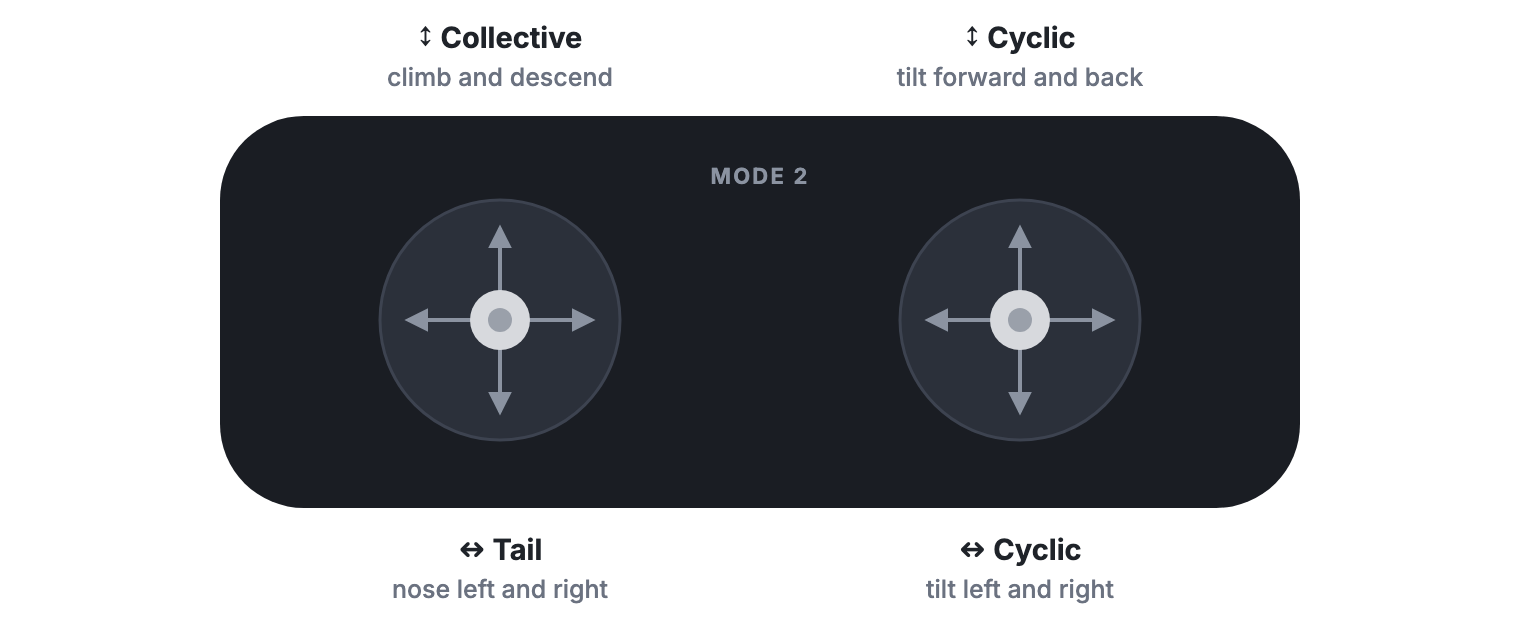
A helicopter needs six to fly: roll, pitch, collective, tail, throttle, and one for the gyro. Then scale shows up and eats channels for breakfast: retracts, lights, sound, a winch, a cargo hook. Buy more channels than you think you need. You will use them.
Picking a Brand
A brand is a marriage. Your receivers and telemetry sensors only speak to their own kind. So pick what the pilots around you fly, because the best manual is a guy at the field who has the same radio. I fly a Jeti, and my take on it is in Jeti Impresses Again: DC-24 G2 Transmitter. Plenty of scale helis fly on Futaba, Spektrum and FrSky too.
Telemetry
This is your instrument panel. At a minimum, watch the flight pack and the receiver pack, and set an alarm that tells you to land. Guessing at flight time is how good models get hurt.
Failsafe
If the bird stops hearing your radio, the receiver does whatever you told it to do in advance. SET IT so the throttle goes to off. Then TEST it: blades off or motor unplugged, switch off the transmitter, and watch what happens. If you have not tested it, you do not have one.
Range Check
Do a range check before every maiden, and again after any crash or any rewiring. It takes two minutes.
On a Big Bird
Many pilots of large models run two receivers, or a main and a satellite, so one bad antenna cannot end the day. Worth it once the model costs more than the radio.
The Jeti Radio Tutorials course further down this page covers setups from sequencing to connecting two receivers.
Stuck on a setup? Ask in Need Advice and name your radio. Somebody here flies it.


