Vario 700 MD500E cockpit and scale parts


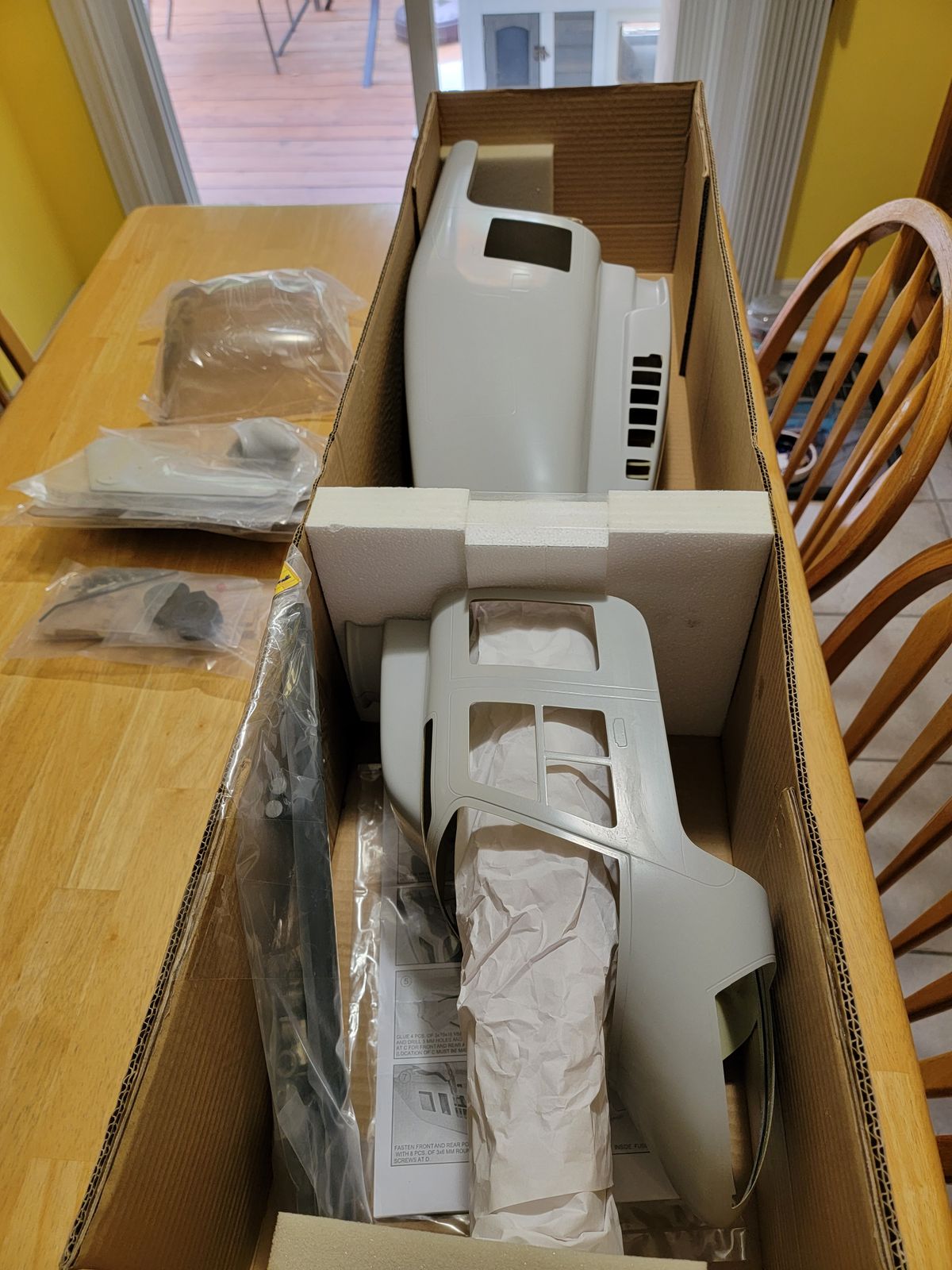
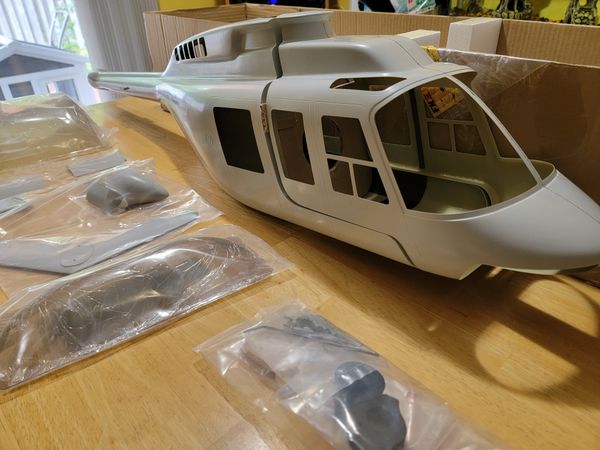
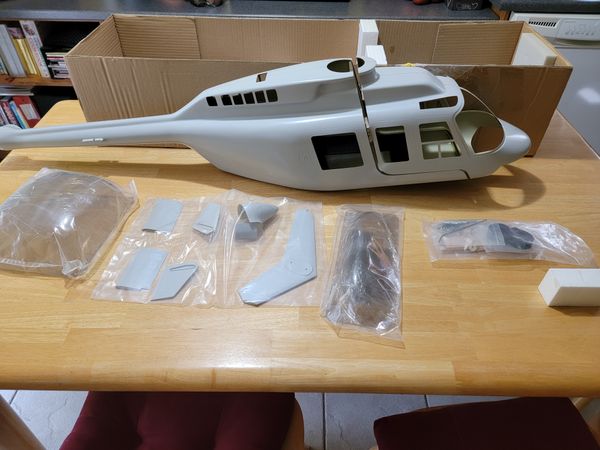
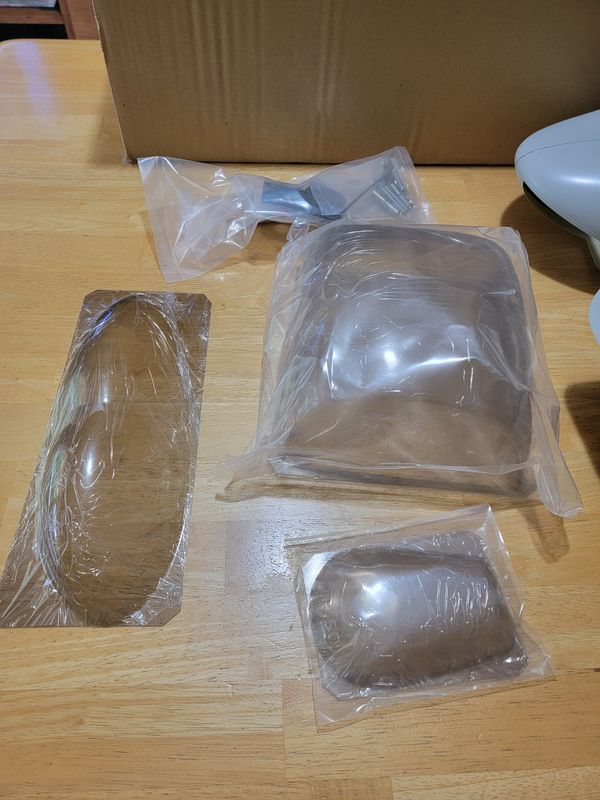
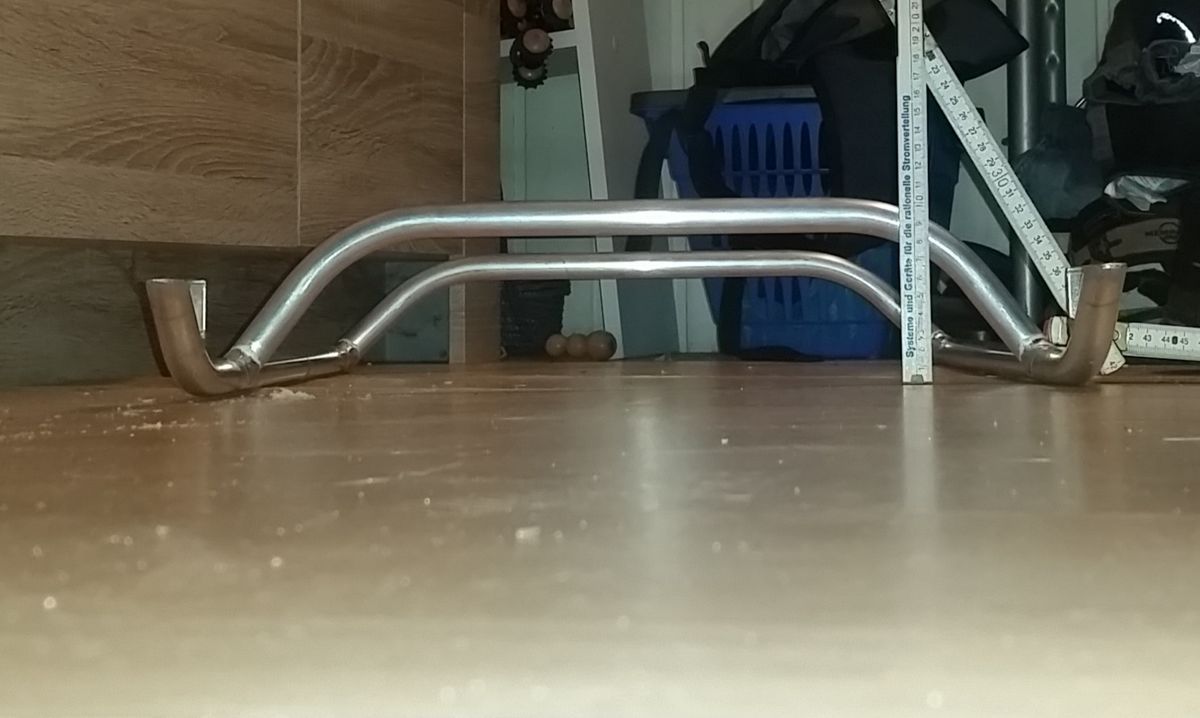
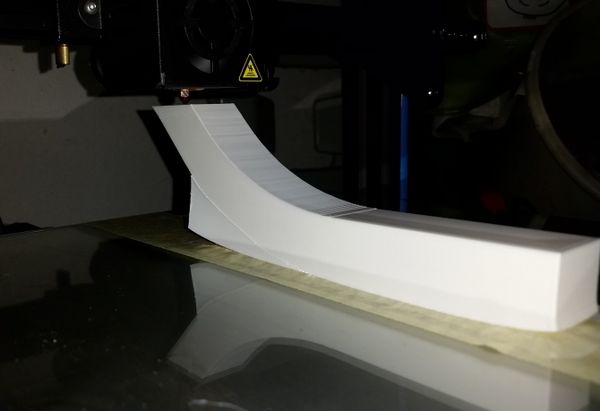
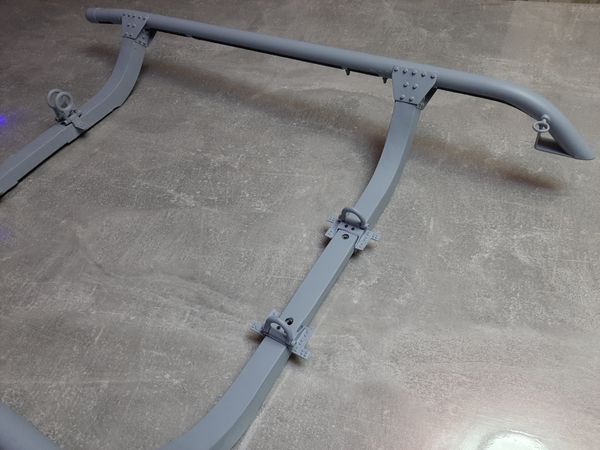
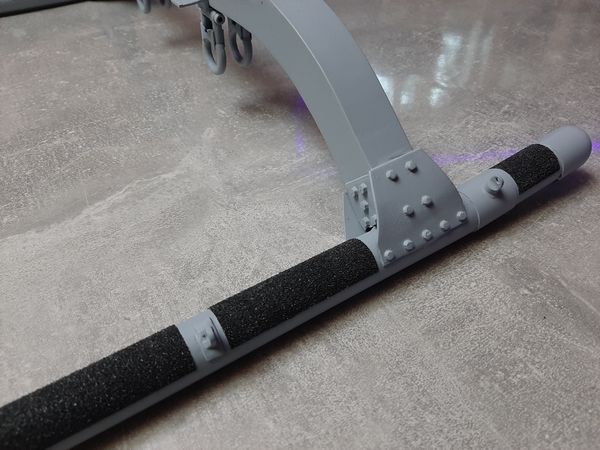
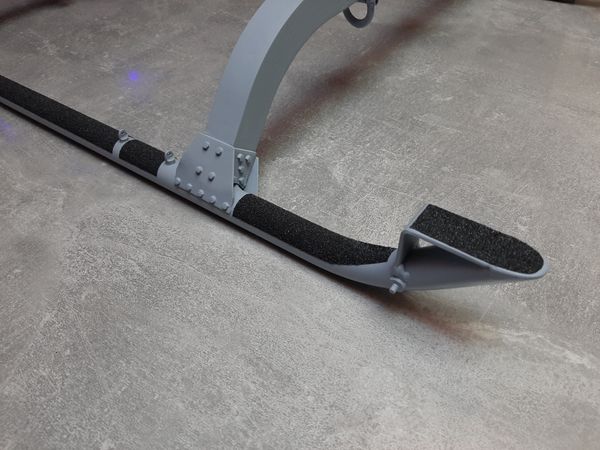
A ton of scale parts designed and made for the Vario 700 MD500E. In order to make room for a full cockpit, a set of custom cut CF sideframes is made.
How People Feel About This Post6 pilots reacted


A ton of scale parts designed and made for the Vario 700 MD500E. In order to make room for a full cockpit, a set of custom cut CF sideframes is made.

I need some help with my lighting system on the Vario Baby Lama. The lighting package is the one provided by Vario (Baby Lama Lights - Lighting set). None of the lights work and may in fact be burned out. I have provided a pic of a filament which to me looks like the light is fried. (all of the light filaments look the same).
I didn't receive the extension but I figure I can extend the leads to...
I need some help with my lighting system on the Vario Baby Lama. The lighting package is the one provided by Vario (Baby Lama Lights - Lighting set). None of the lights work and may in fact be burned out. I have provided a pic of a filament which to me looks like the light is fried. (all of the light filaments look the same).
I didn't receive the extension but I figure I can extend the leads to the required length without any problem.
Someone recently asked about L.E.D. lens caps, so I figured I'd share this source with this site in case anyone is looking for some for their helis. They have caps available for the commonly used 3mm & 5mm L.E.D. sizes and in a multitude of colors.
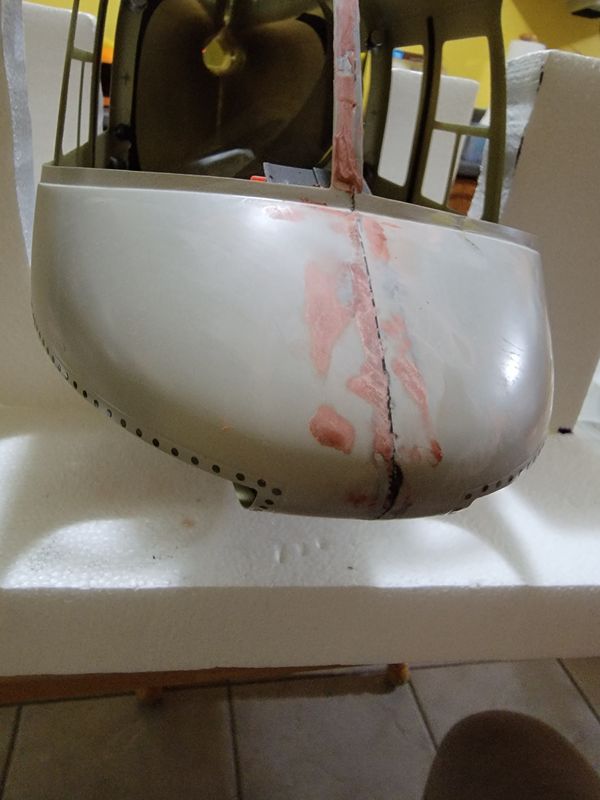
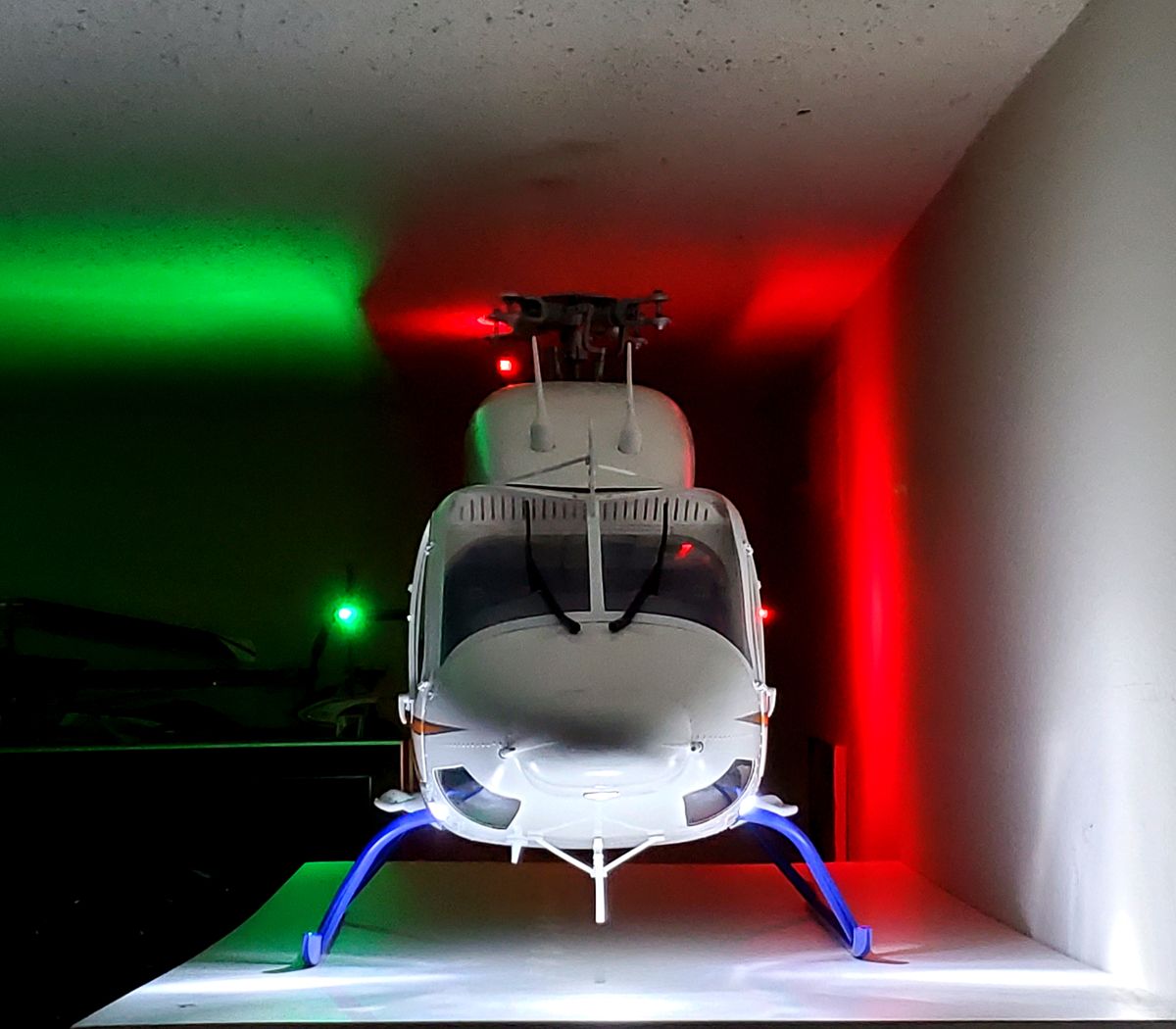
I was bored so I decided to do some cutting and drilling into my Bell 429 GlobalRanger. A few months ago, I noticed the full-size 429s have lights built into the front section of the fuselage on both sides and one on the bottom. I wanted to replicate that on my model but wasn't exactly sure if it would be possible to do since the fuselage is sealed pretty good in the front section.
I first...
I was bored so I decided to do some cutting and drilling into my Bell 429 GlobalRanger. A few months ago, I noticed the full-size 429s have lights built into the front section of the fuselage on both sides and one on the bottom. I wanted to replicate that on my model but wasn't exactly sure if it would be possible to do since the fuselage is sealed pretty good in the front section.
I first started off by searching for some small rectangular lights that would replicate the ones on the full-size 429. After I found some off-road lights that were designed for a 1/7 scale RC SUV 4 wheeler, I had to figure out how or if I could mount the lights in the body and run the wires to power them. That was a challenge because the front section of the fuselage is completely sealed off from the middle part of the body with a wall for the battery compartment under the floor.
I knew there was a small oval hole in the cockpit area under the center console and instrument cluster. Luckily I didn't use a lot of glue to install those pieces and was able to remove the center console and instrument cluster with a little persuasion and time without damaging anything. After I got those pieces out of the cockpit, I was able to get a better idea on if this project was doable.
I still had to come up with a way to run the power wires to the rear of the fuselage which was a problem, because again, the front section of the fuse under the floor is totally sealed off. I came up with an idea of possibly being able to drill a small hole through the wall that separates the battery compartment under the floor to the front section of the fuse. No way a power drill was gonna be able to do the drilling though because there isn't a lot of room to work with inside the fuse.
I then thought that perhaps my Dremel with a drill bit MIGHT fit inside the battery compartment. I tried it and it worked! Next, I had to build up the nerve to start cutting 3 rectangular holes into the fuselage. After I got the 3 holes in the fuse cut, I cut off the single servo connector for the lights so I could thread the power wires through the hole that I drilled in the battery compartment wall. After I was able to thread the power wires through the small hole, I then soldered the servo connector back onto the power wires from the cabin side of the battery compartment wall.
From that point, I taped a strong magnet onto the servo connector, used another magnet that's attached to a telescoping rod to connect to the servo connector and the other magnet and snaked the power wires under the floor of the fuselage and up to where I have the receiver mounted on the mechanics. Pretty much all of the hard stuff is done at that point which resulted in an extremely clean layout with the power wires being TOTALLY hidden under the floor of the fuse's body.
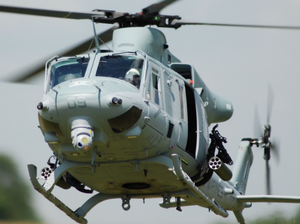
I think everything turned out pretty well and the lights are plenty bright. These photos were taken in a totally dark room. As you can see, the lights light up the room pretty well! The lights are running on 6 volts of power. For reference, the last photo is of one of the real Mercy Flight helis from which the livery on my heli is modeled after.

Voila une petite vidéo concernant le module d'eclairage Optotronix Aurora LCU EVO2
Hey guys just wanted to show you a slight modification I did with my Vario Trex Lama, specifically to the turbine. Having never seen the actual turbine on a lama helicopter before, I assumed that it's turbine would work just like most turbines for example on those Air force jets. So, after building the model turbine I then installed a center burner simulated afterburner LED light system, from...
Hey guys just wanted to show you a slight modification I did with my Vario Trex Lama, specifically to the turbine. Having never seen the actual turbine on a lama helicopter before, I assumed that it's turbine would work just like most turbines for example on those Air force jets. So, after building the model turbine I then installed a center burner simulated afterburner LED light system, from the rcgreek.com at the rear of the model.
These afterburner LEDs are designed to run off of 7.2 volts and most are proportionally linked to the throttle channel. First thing.. 7.2 volts makes this light extremely and unrealistically bright. Additionally these units are designed to have air running over the lights to cool them down which is impossible inside of a turbine. As a compromise I use the resistor and cut the power down to 5 volts thereby reducing the brightness and lowering the heat.
I linked mine to the throttle channel however if you're using idle up one or idle up to as a starting point the light will come on at its full brightness in that configuration. To make it somewhat more realistic I start the heli in normal mode with very slight taps of up throttle enough to start the lights blinking but not enough to start the motor turning.. when that is linked to the sound system I use the blinking lights to simulate the churning up of the turbine and eventually give enough throttle to turn the blades and eventually go into idle up one.
There's two videos I have up of this. One of the videos, the close up... Some people have said that the the light is too bright and distracting.. in reality it really isn't. I simply chose to videotape the heli on the ground at dusk in order to accentuate the light.
I never fly my heli at dusk, my eyes aren't that great if you look at the other video of it flying during the day that is a more realistic portrayal of the intensity of the light, or the lack thereof. It was not until I finished building this thing that someone told me that there is no emitting of light from the turbine on a real lama.. so to that extent I guess this add-on is not technically scale, but I like it... So it will stay. 🙂
Curious what larger scale builders are using for navigation lights. I am familiar with Unilights. Any other options and/or recommendations?
Finished my USCG Bell 206 Helicopter with floats. I love it!!!!
 Loren F.

 Massimo C.
 CARLOS C.


 ScaleHeliPilot G.
 Uwe B.

 Thomas D.
