
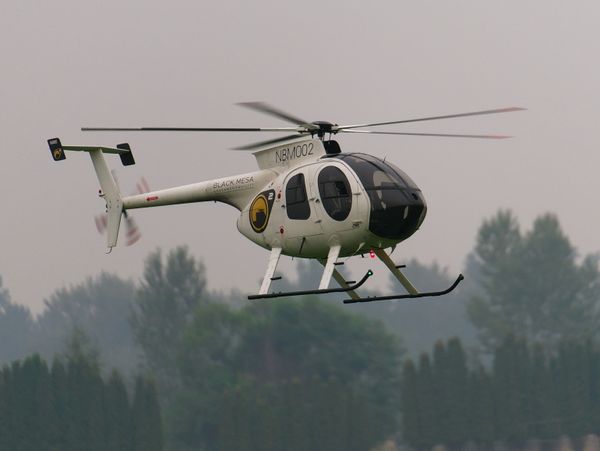
Vario 1:4 Scale MD500E Build
 Rob M.

Preamble and Power Plan
First posted on ScaleRCHelis.com.
Vario calls it 1:5, but when we look at the numbers it's actually closer to 1:4.23, so we'll round it out to 1:4 and go with that.
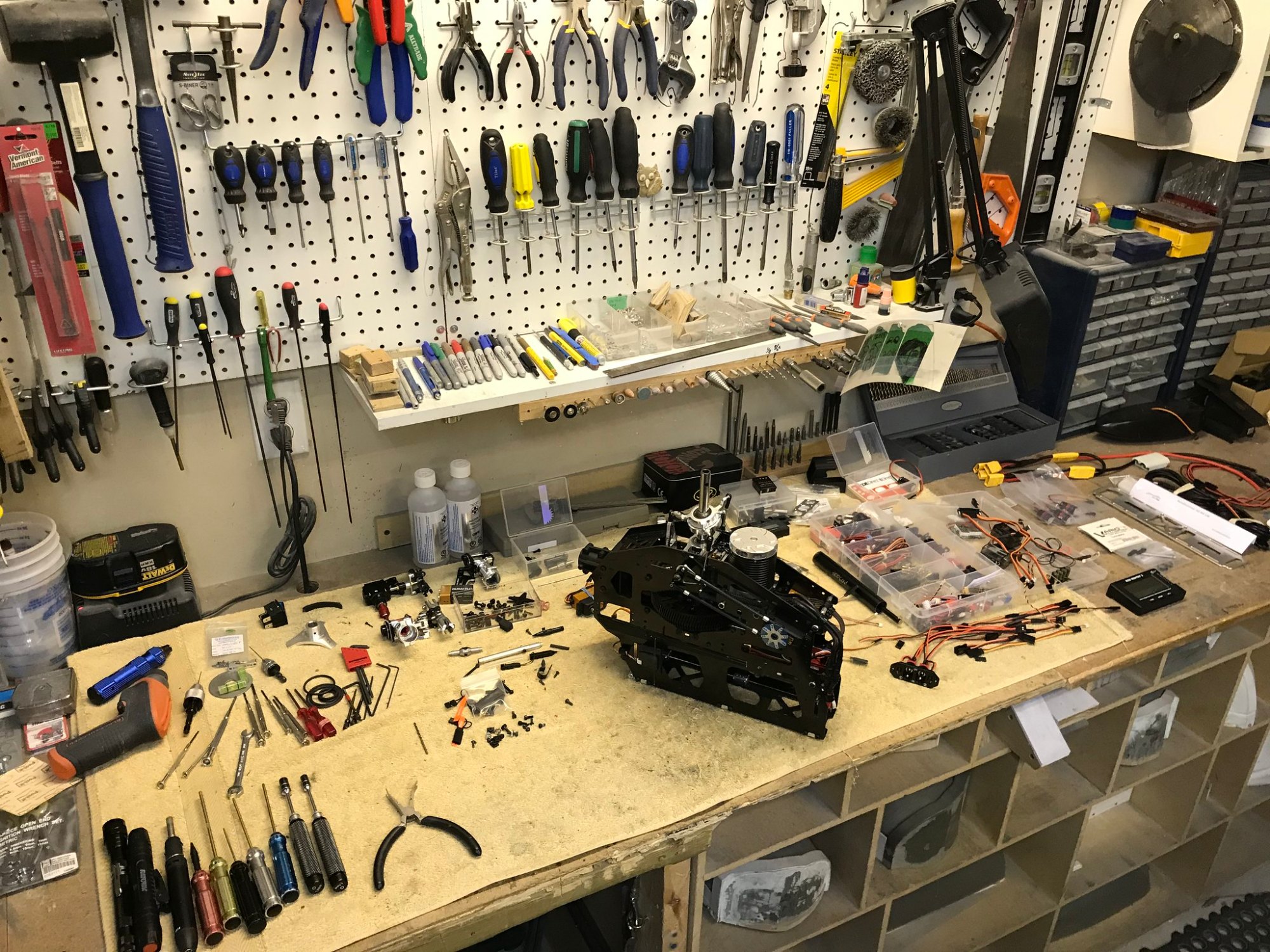
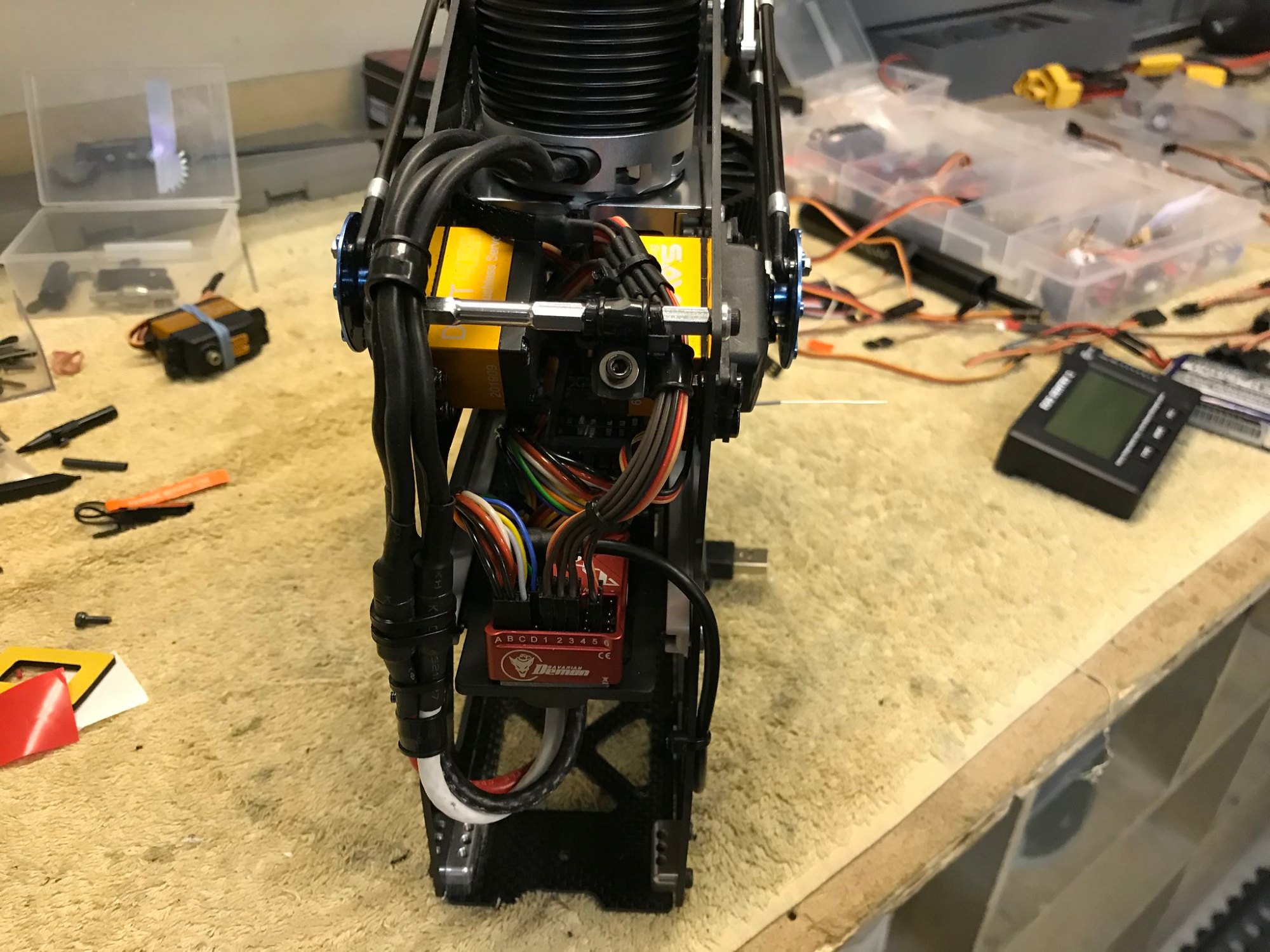
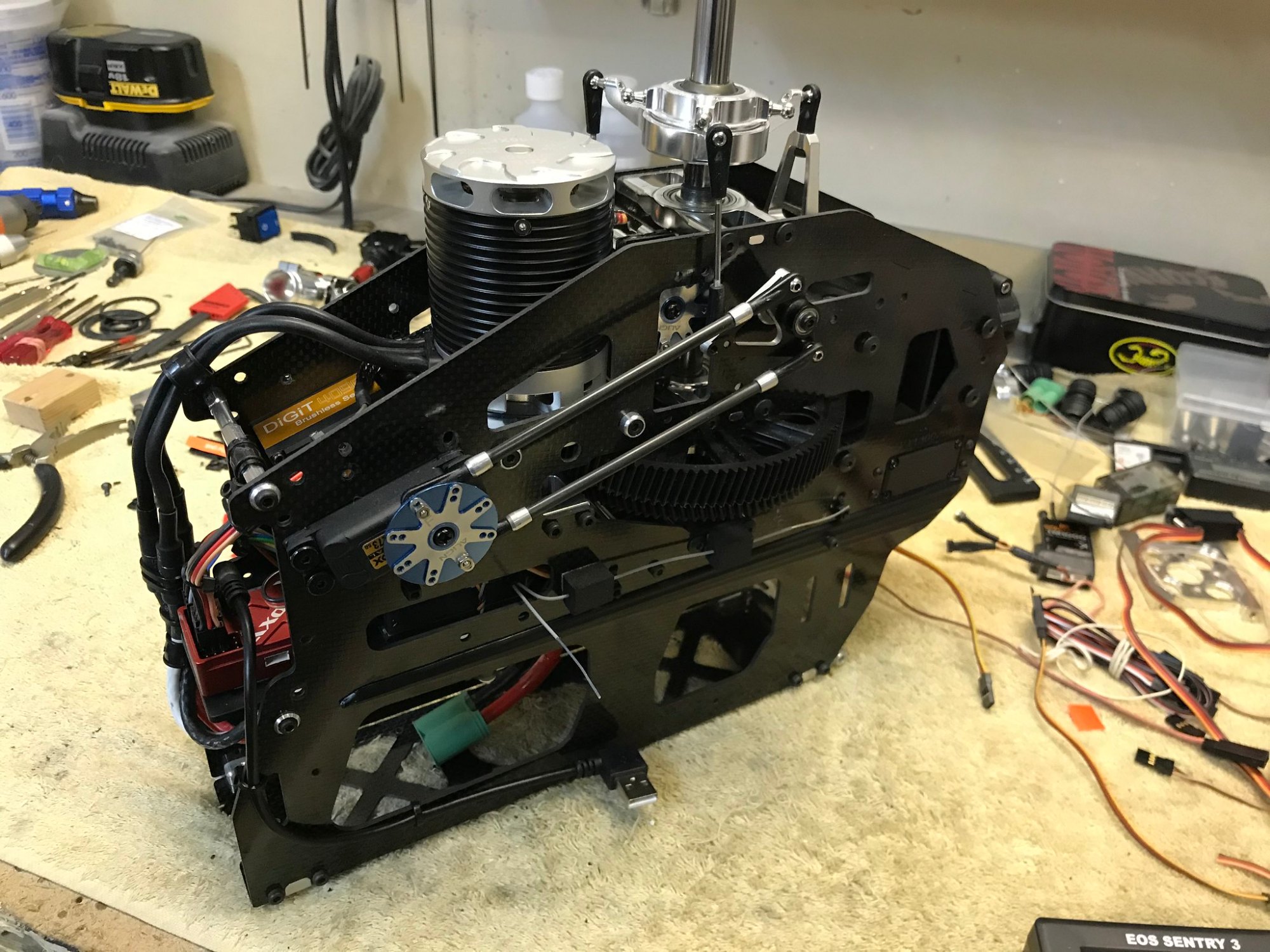
Mechanics will be electric, specifically the same Trex 700E mechanics used in my BK-117. There were items that needed refinement with those mechanics, but once they were ironed out they have proven to be up to the task, and with the BK weighing in at 39 lbs it would be fair to expect the mechanics to have little issue with the 25 lbs MD500E.
Rotor head will be from PSG, using their 800 series head. Compact, rated beyond the loading of this project and with built-in phasing, I'm expecting solid performance.
4-blade tail is coming from Helikopter Baumann. I am currently using the two-blade version on the BK and have been very impressed with the craftsmanship and performance.
- Main blades from Vario: 5 @ 875mm
- Tail blades from Helitec: 4 @ 140mm
- 10s system
- 2 @ 5s 8000mAh LiPos in series
- 2 @ 3s 3000mAh RX in parallel isolation
- 120amp CC Phoenix Edge HV
- KDE 295kv Motor
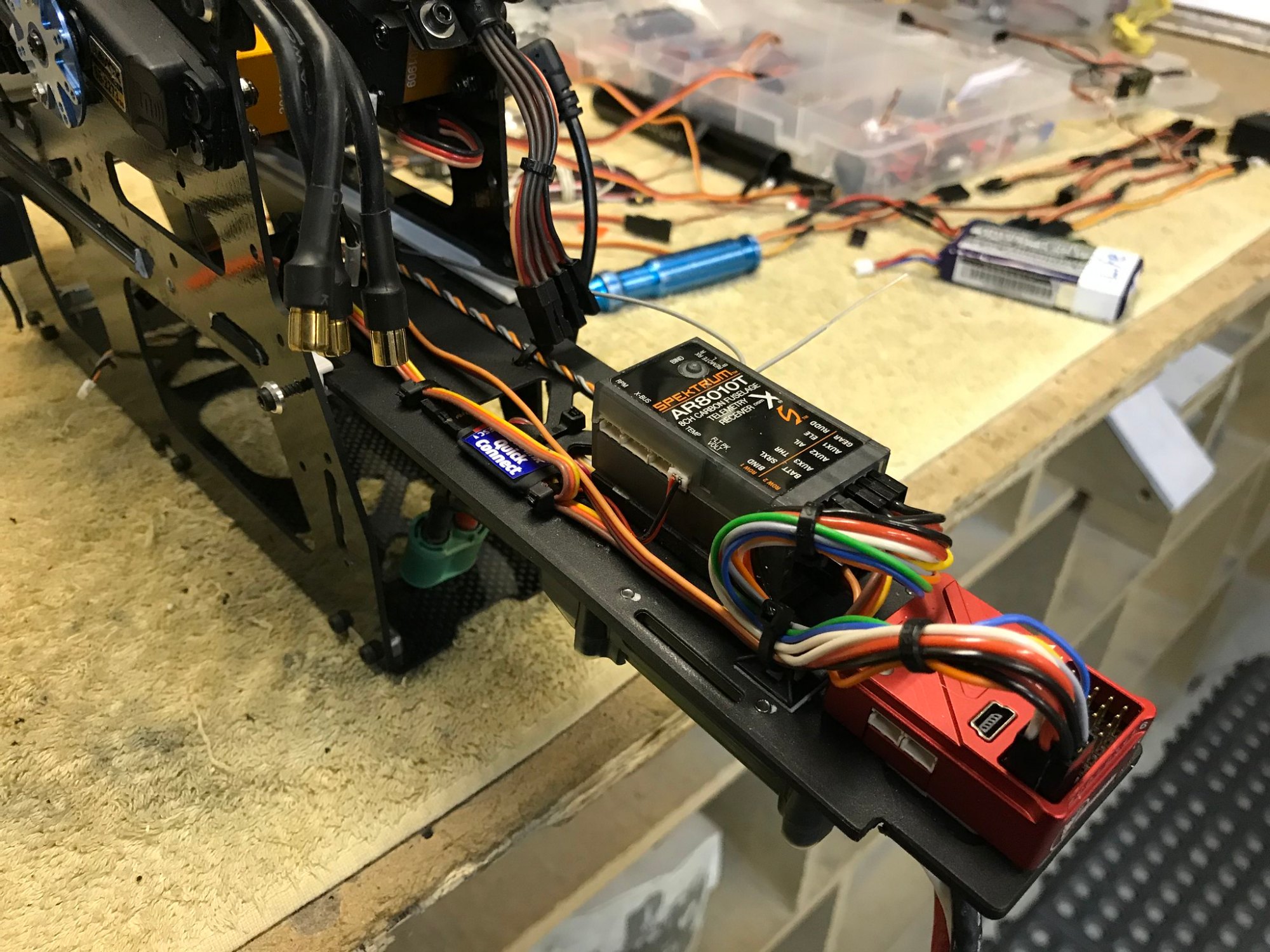
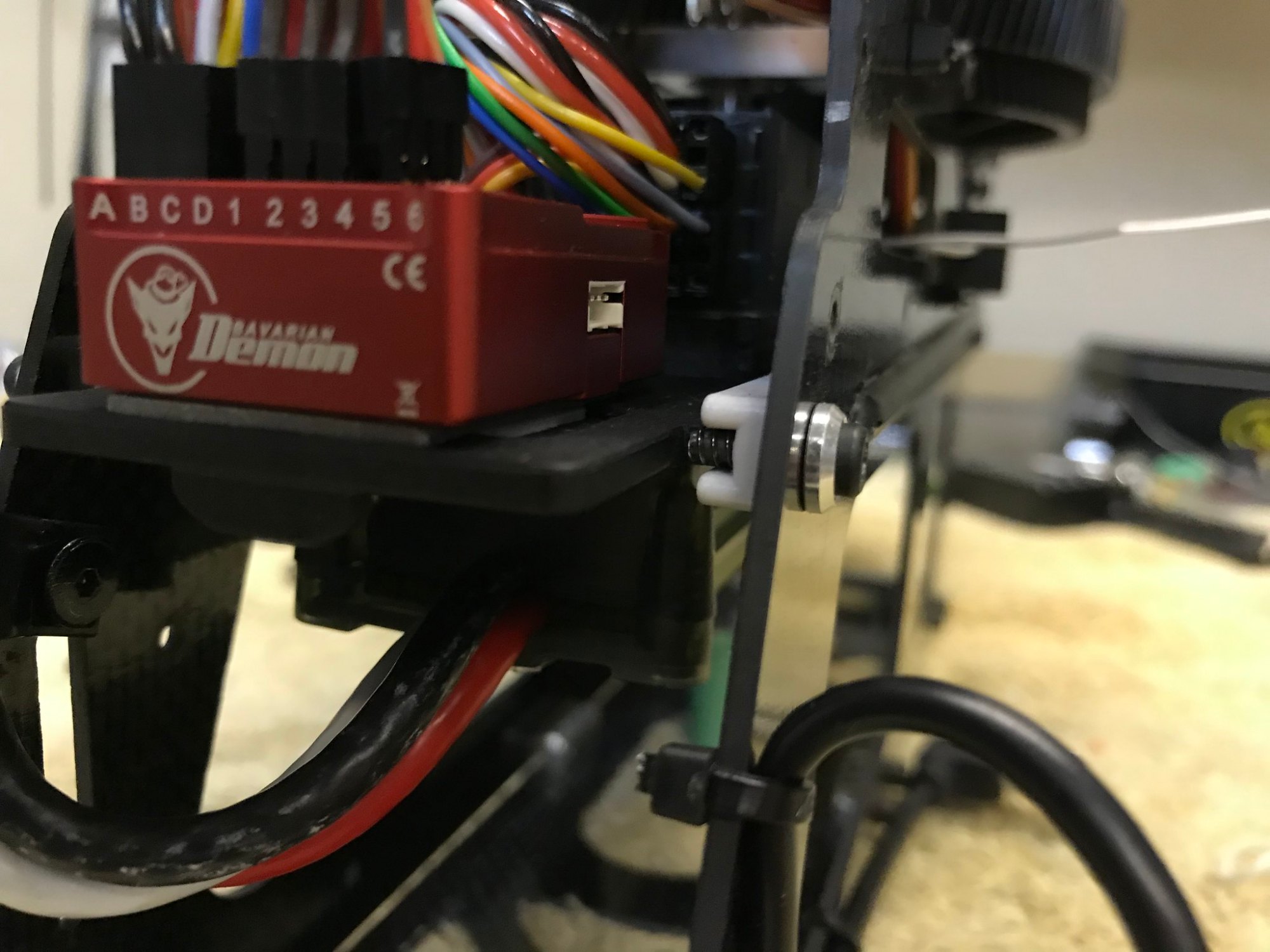
- Axon FBL (which I have come to love)
- Savox servos: 2273 main, 2271 tail
January 25, 2020
Just waiting for the fuselage to arrive. Should be here by mid-week next week... then the fun begins.
(Asked why 3s packs for receiver power when most systems are designed for 2s)
Well... there was some discussion about 2s vs. 3s as follows.
With 3s (via a regulator), if you lose a cell you still have 2 cells providing enough voltage; also with 3s there is oversupply to the regulator vs. its output such that under load it can keep up.
With 2s (LiPo) you are slightly oversupplying the RX but will have some voltage sag under load. As well, you eliminate a fail point by not having the regulator; however, if the battery loses a cell or is undercharged you are in a pickle.
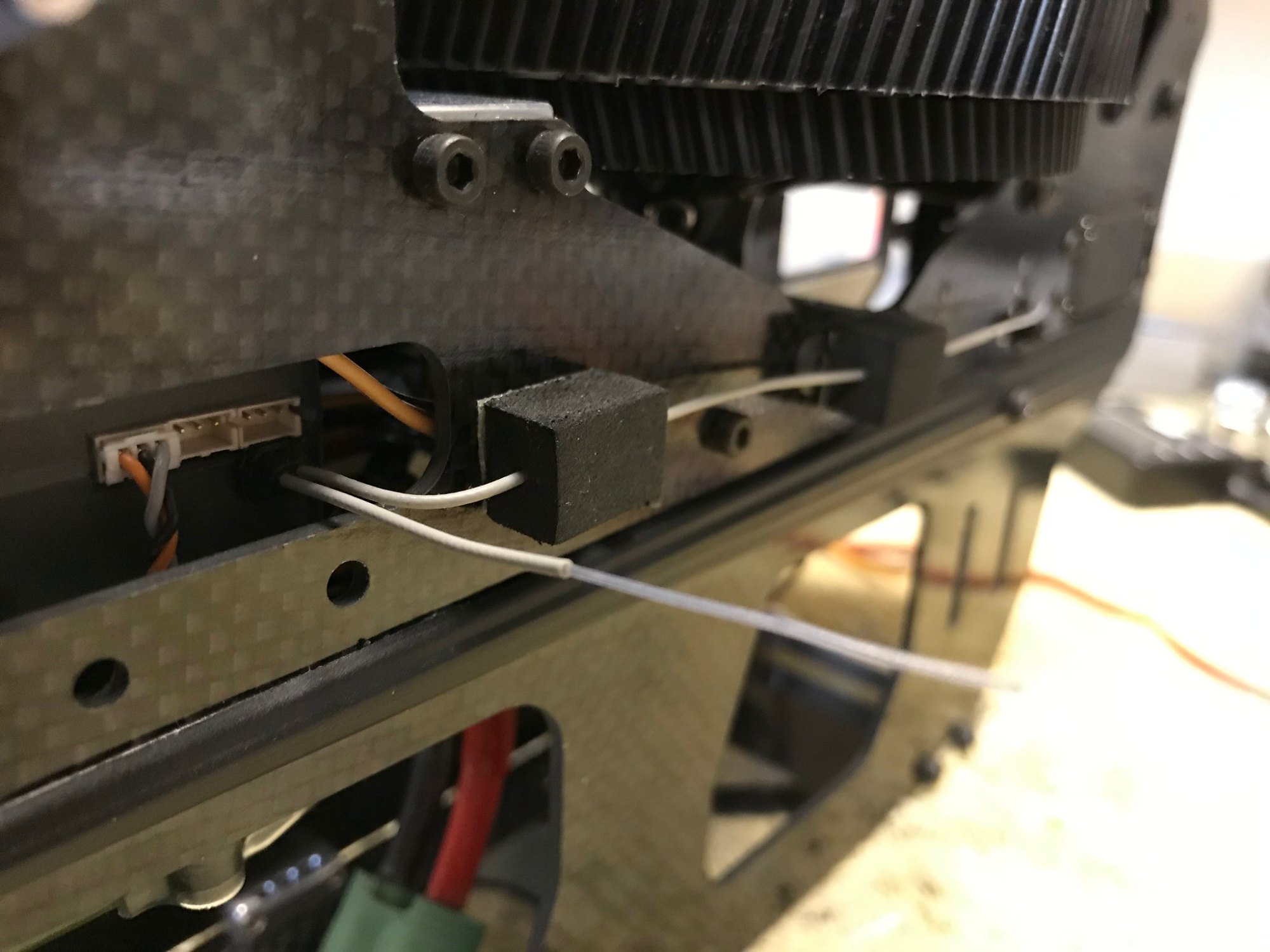
So, for my BK I went with a battery diode isolator allowing two 2s batteries to run the RX. If one fails or falls low on voltage the other instantaneously takes over, and if the diode was to fail it fails safe, allowing the RX to continue receiving power from a battery.
My original post should have said 2 x 2s for the RX. IMO it has redundancy and fewer fail points, ergo better odds.